Wood Matters: How to Identify Quality Wood Furniture That Lasts in Mauritius
Buying furniture is a long-term investment. Yet many homeowners focus on colour, design and price while overlooking the most important factor of all: the quality of the wood and construction underneath.
In Mauritius, choosing the right materials matters even more because humidity, heat and termites can quickly expose poor-quality furniture. A beautiful wardrobe, bed or dining table may look impressive in the showroom, but its real quality becomes obvious after several years of daily use.
Understanding how furniture is built allows buyers to make better decisions, avoid costly mistakes and choose products that remain attractive and functional for years.

The Biggest Misconception About Wood Furniture
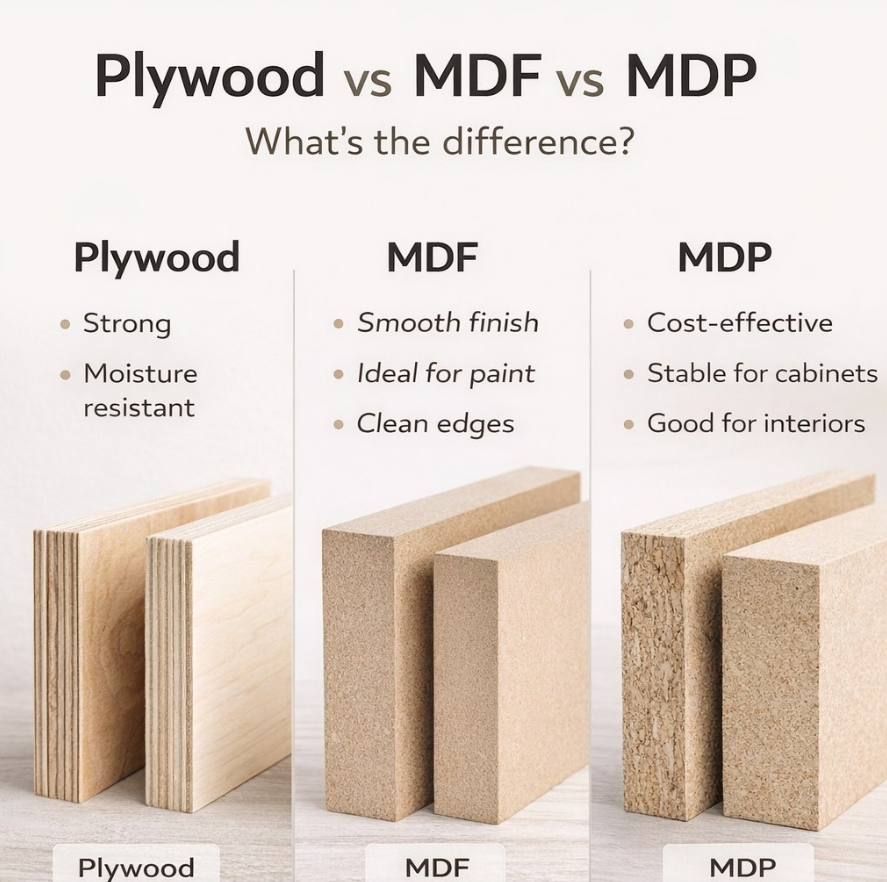
One of the most common misunderstandings among furniture buyers is believing that all wood furniture is the same. Many customers assume that if a piece looks like wood, it must be made entirely from solid timber. In reality, most furniture sold today uses a variety of materials including solid wood, plywood, MDF, MDP and wood veneer. Two wardrobes may appear almost identical on the showroom floor, yet one could last 15 years while the other begins swelling after only a few years. The difference lies beneath the surface.

Understanding Furniture Materials
| Material | Advantages | Limitations |
|---|---|---|
| Solid Wood | Extremely durable, repairable, premium appearance | Higher cost |
| Plywood | Strong, stable, excellent humidity resistance | More expensive than MDP |
| MDF | Smooth finish, ideal for painted furniture | Can swell if not moisture resistant |
| MDP | Affordable, widely used, consistent appearance | Sensitive to moisture at exposed edges |
| Wood Veneer | Real wood appearance at lower cost | Requires careful maintenance |
For most households, plywood and moisture-resistant MDF offer excellent value, while solid wood remains the premium choice for long-term durability. Many buyers believe heavier furniture automatically means better quality — but weight alone does not guarantee it. Hardware and construction quality often matter far more than how heavy a piece feels.
The First Thing You Should Inspect
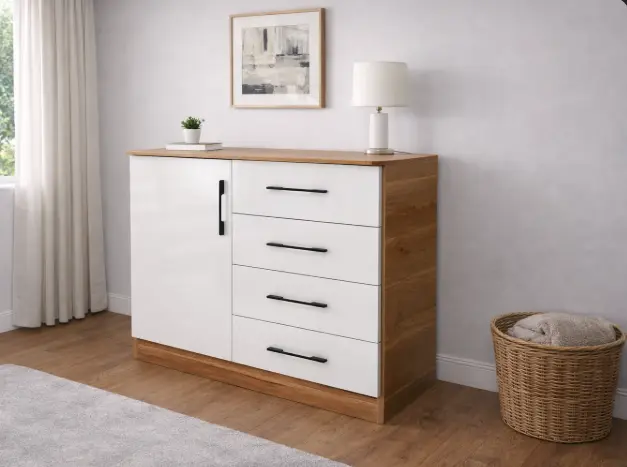
If you have only a few seconds to assess furniture quality, inspect the edges. Quality furniture should have smooth edge banding with no visible gaps, no lifting corners and proper sealing against moisture. Exposed raw board edges are one of the strongest warning signs of poor manufacturing. Run your fingers along every exposed edge — a properly finished edge should feel smooth and continuous. Drawers are another key indicator: they should open smoothly, close quietly, remain stable when extended and use strong metal runners with rigid bases that do not flex.
Why Hardware & Climate Matter
Many furniture failures are caused not by the wood itself, but by poor hardware. Quality pieces use soft-close hinges, ball-bearing drawer runners, metal shelf supports and adjustable fittings. Cheap hardware leads to misaligned doors, jammed drawers and sagging shelves. In Mauritius, humidity adds another challenge — panel swelling, warping, delamination and corrosion are common with low-quality materials. Solid teak and quality plywood handle humidity best, while standard MDP is most vulnerable when edges are left exposed.

The 5-Minute Showroom Quality Test
| Material | Expected Lifespan in Mauritius |
|---|---|
| Standard MDP | 3–6 years |
| Moisture-Resistant MDF | 8–12 years |
| Quality Plywood | 10–15 years |
| Rubberwood / Acacia | 12–20 years |
| Solid Teak | 25–40+ years |
Before purchasing any wood furniture, perform this quick five-point inspection: check that edges are smooth and sealed with no lifting; open every drawer and ensure it moves stably and quietly; inspect the back panel for rigidity; check that hinges and runners are metal and adjustable; and inspect underneath — quality manufacturers finish hidden areas properly. A piece that passes all five tests is far more likely to deliver long-term satisfaction. Wipe spills immediately, keep rooms well ventilated, tighten loose screws promptly and apply furniture oil or wax to solid wood annually to extend its life significantly.
Wood Matters: How to Identify Quality Wood Furniture That Lasts in Mauritius
Buying furniture is a long-term investment. Yet many homeowners focus on colour, design and price while overlooking the most important factor of all: the quality of the wood and construction underneath.
In Mauritius, choosing the right materials matters even more because humidity, heat and termites can quickly expose poor-quality furniture. A beautiful wardrobe, bed or dining table may look impressive in the showroom, but its real quality becomes obvious after several years of daily use.
Understanding how furniture is built allows buyers to make better decisions, avoid costly mistakes and choose products that remain attractive and functional for years.
The Biggest Misconception About Wood Furniture
One of the most common misunderstandings among furniture buyers is believing that all wood furniture is the same. Many customers assume that if a piece looks like wood, it must be made entirely from solid timber. In reality, most furniture sold today uses a variety of materials including solid wood, plywood, MDF, MDP and wood veneer. Two wardrobes may appear almost identical on the showroom floor, yet one could last 15 years while the other begins swelling after only a few years. The difference lies beneath the surface.
Understanding Furniture Materials
| Material | Advantages | Limitations |
|---|---|---|
| Solid Wood | Extremely durable, repairable, premium appearance | Higher cost |
| Plywood | Strong, stable, excellent humidity resistance | More expensive than MDP |
| MDF | Smooth finish, ideal for painted furniture | Can swell if not moisture resistant |
| MDP | Affordable, widely used, consistent appearance | Sensitive to moisture at exposed edges |
| Wood Veneer | Real wood appearance at lower cost | Requires careful maintenance |
For most households, plywood and moisture-resistant MDF offer excellent value, while solid wood remains the premium choice for long-term durability. Many buyers believe heavier furniture automatically means better quality — but weight alone does not guarantee it. Hardware and construction quality often matter far more than how heavy a piece feels.
The First Thing You Should Inspect
If you have only a few seconds to assess furniture quality, inspect the edges. Quality furniture should have smooth edge banding with no visible gaps, no lifting corners and proper sealing against moisture. Exposed raw board edges are one of the strongest warning signs of poor manufacturing. Run your fingers along every exposed edge — a properly finished edge should feel smooth and continuous. Drawers are another key indicator: they should open smoothly, close quietly, remain stable when extended and use strong metal runners with rigid bases that do not flex.
Why Hardware & Climate Matter
Many furniture failures are caused not by the wood itself, but by poor hardware. Quality pieces use soft-close hinges, ball-bearing drawer runners, metal shelf supports and adjustable fittings. Cheap hardware leads to misaligned doors, jammed drawers and sagging shelves. In Mauritius, humidity adds another challenge — panel swelling, warping, delamination and corrosion are common with low-quality materials. Solid teak and quality plywood handle humidity best, while standard MDP is most vulnerable when edges are left exposed.
The 5-Minute Showroom Quality Test
| Material | Expected Lifespan in Mauritius |
|---|---|
| Standard MDP | 3–6 years |
| Moisture-Resistant MDF | 8–12 years |
| Quality Plywood | 10–15 years |
| Rubberwood / Acacia | 12–20 years |
| Solid Teak | 25–40+ years |
Before purchasing any wood furniture, perform this quick five-point inspection: check that edges are smooth and sealed with no lifting; open every drawer and ensure it moves stably and quietly; inspect the back panel for rigidity; check that hinges and runners are metal and adjustable; and inspect underneath — quality manufacturers finish hidden areas properly. A piece that passes all five tests is far more likely to deliver long-term satisfaction. Wipe spills immediately, keep rooms well ventilated, tighten loose screws promptly and apply furniture oil or wax to solid wood annually to extend its life significantly.