Trade In, Upgrade Up: How TFP's Furniture Exchange Works
Old sofa taking up space? Wardrobe no longer practical? TFP's Furniture Exchange can turn eligible old furniture into value toward something new — while helping solve the problem of collection at the same time.

Replacing old furniture sounds simple until you reach one very practical question:
What do I do with the furniture I already have?
That question delays more furniture upgrades than many people realise.
A worn sofa may have been uncomfortable for years, but removing a large sofa from a house requires transport, physical effort and somewhere to take it.
A wardrobe may no longer provide enough storage, but replacing it means first solving the problem of the wardrobe already occupying the bedroom.
A bed may have reached the end of its useful life, yet disposing of a large bed frame can feel like a separate project before the customer has even started shopping for the replacement.
TFP's Furniture Exchange programme is designed to simplify that transition.
In simple terms:
Eligible old furniture is assessed by TFP. An approved exchange value is applied toward the purchase of new TFP furniture, while EasyGo handles collection of the old piece as part of the coordinated exchange process.
The important word is assessed.
Furniture Exchange is not an automatic fixed-value trade-in. The actual amount depends on the condition, type, size, age and reuse potential of the individual item.
It is also important to understand that the exchange value is not paid to the customer as cash. It is applied toward an eligible new furniture purchase from TFP.
Here is exactly how the process works.
How TFP Furniture Exchange Works in 5 Steps
Step 1 — Show TFP Your Old Furniture
The process begins with information.
Customers can start through the TFP Furniture Exchange page at tfp.mu, through WhatsApp, by phone or by visiting a TFP showroom.
The first assessment depends heavily on the quality of the information provided, so customers should submit clear photographs and an honest description of the furniture's condition.
Useful Photos to Provide
- Full front view — showing the entire item.
- Side view — to show depth and overall structure.
- Back view — particularly useful for sofas and upholstered furniture.
- Close-ups of damage — tears, scratches, stains, chips or broken components.
- Room/context photo — helping show scale and the furniture's general condition.
Do not photograph only the best-looking side.
If there is damage, show it clearly.
The more accurately the photographs represent the item, the more useful the initial estimate will be.
Step 2 — Receive an Initial Assessment
TFP reviews the submitted furniture details and photographs and provides an estimated exchange value.
This is an initial estimate, not a guaranteed final amount.
The final value depends on the physical condition of the item when it is inspected.
The factors that typically influence the valuation include:
- Condition — the most important factor.
- Furniture type — sofas, beds and wardrobes have different campaign maximums.
- Age — although condition generally matters more than age alone.
- Size — larger or more substantial items may differ in assessed value.
- Original construction quality.
- Reuse or refurbishment potential.
Assessment time can vary depending on the request volume and campaign period.
TFP will contact the customer following submission to confirm the estimated value and next steps.
Step 3 — Choose Your Upgrade
Once the customer understands the approximate exchange value, they can choose the new furniture they want to purchase.
Customers can browse online at tfp.mu or visit a TFP showroom to compare options in person.
Visiting a showroom can be particularly useful for major purchases:
- Sit on the sofa and test its comfort.
- Open wardrobe doors and drawers.
- Check the scale of a dining table.
- Compare colours and finishes.
- Assess mattress comfort.
TFP staff can also help customers think through room dimensions, family size, storage requirements, style and colour coordination.
Practical tip: Measure the room before choosing the replacement. Furniture Exchange solves the old-furniture problem, but the new furniture still needs to fit the space comfortably.
Step 4 — Confirm the Exchange
Before the process becomes final, eligibility and value are confirmed following physical assessment.
If the actual condition differs significantly from the photographs, the value may be revised.
An item can also be rejected if the physical inspection identifies a hygiene, structural or safety problem that was not visible during the initial assessment.
Important: Do not dismantle, sell or discard your old furniture before your exchange has been formally approved and collection has been officially scheduled.
Step 5 — Old Out, New In
Once everything is confirmed, collection and delivery can be arranged.
EasyGo handles the collection of the old furniture as TFP's logistics partner, while TFP delivers the replacement furniture.
Where logistics allow, the intention is to coordinate these stages so the transition from old furniture to new furniture happens as smoothly as possible.
Customers should still confirm the exact timing for their specific transaction.
Free collection of old furniture has been included in recent Furniture Exchange campaigns, with the important qualification:
Free collection of old furniture. Terms and conditions apply.
Access also matters. If the furniture is located upstairs without a lift, down a narrow staircase or a long distance from vehicle access, customers should disclose this before collection is arranged.
What Furniture Can You Exchange?
The programme covers a wide range of household furniture.
Eligible categories can include:
- Sofas.
- Beds.
- Mattresses.
- Wardrobes.
- Dining tables.
- Dining chairs.
- Complete dining sets.
- TV units.
- Coffee tables.
- Sideboards.
- Office desks and chairs.
- Other household furniture, subject to confirmation.
Does the Furniture Have to Be From TFP?
No.
Furniture Exchange is not limited to products originally purchased from TFP.
Furniture from another retailer, imported furniture and locally manufactured furniture can all be submitted for assessment.
Can You Exchange an Old Sofa?
Yes.
Sofas are one of the most common Furniture Exchange categories.
Eligible configurations can include:
- 3-seater sofas.
- 2-seater sofas.
- Complete 3+2+1 sets.
- L-shaped sofas.
- Recliners.
A customer can, for example, use the programme to move away from a traditional 3+2+1 arrangement and upgrade toward an L-shaped sofa.
Whether every piece of an old sofa set must be surrendered should be confirmed with TFP for the specific exchange.
Can You Exchange an Old Bed?
Wooden, upholstered and metal bed frames can be submitted for assessment, as can bunk beds.
One very practical upgrade is:
Old double bed → New queen or king bed
The exchange value may also be applied toward an eligible complete bedroom set rather than only a replacement bed.
What About Children's Beds?
Children's furniture changes as families change.
A single bed may no longer suit a teenager. A bunk-bed arrangement may no longer make sense once children move into separate rooms.
These are legitimate reasons to explore Furniture Exchange rather than waiting until the furniture is physically broken.
Can You Exchange a Mattress?
Yes, subject to stricter hygiene requirements.
Normal wear, minor surface marks and light staining may still be assessed.
Mattresses with heavy mould, pest infestation, severe biological contamination or conditions that make them unsafe to handle will not qualify.
Customers replacing an older mattress may also consider TFP's Royal Lux options, including ranges such as U Sleep, Royal Sleep and Sleepy Deep, depending on current availability.
Can You Exchange a Wardrobe?
Yes.
Eligible wardrobe types can include:
- 2-door wardrobes.
- 3-door wardrobes.
- 4-door wardrobes.
- Sliding-door wardrobes.
A particularly practical upgrade is moving from a small 2-door wardrobe with insufficient storage to a larger sliding-door wardrobe that provides better capacity and reduces the door-clearance space required in the bedroom.
Dining Sets and Other Furniture
Dining tables, dining chairs and complete dining sets can also be assessed.
An extendable dining table can be a smart upgrade for Mauritian households because it remains compact for daily meals but provides extra seating when family or guests come over.
TV units, coffee tables, sideboards, office desks and office chairs can also be considered under the programme.
Watch: How TFP Furniture Exchange Works
Old furniture → submit photos → receive an assessment → choose your upgrade → confirm the exchange → collection and delivery.
How Much Is Your Old Furniture Worth?
This is probably the first question most customers ask.
Recent TFP Furniture Exchange campaign communications have used the following maximum values:
| Furniture Category | Recent Campaign Maximum |
|---|---|
| Sofa | Up to Rs 5,000 |
| Wardrobe | Up to Rs 3,000 |
| Bed | Up to Rs 2,500 |
| Mattress | Up to Rs 1,500 |
| Other Furniture | Up to Rs 1,500 |
These should be understood as recent campaign maximums, not permanent guaranteed values.
Customers should confirm the active campaign and current values with TFP.
What Does “Up To” Actually Mean?
If a campaign says:
Sofa — up to Rs 5,000
that does not mean every sofa receives Rs 5,000.
It means Rs 5,000 is the maximum available within that campaign category for an item meeting the strongest eligible assessment.
A worn but usable sofa may receive less.
A sofa with significant fabric deterioration may receive less again.
And a sofa with severe structural, mould or pest problems may be declined entirely.
Can Worn or Damaged Furniture Still Qualify?
Yes.
Furniture does not need to look new to qualify for assessment.
Common wear that may still be acceptable includes:
- Scratches.
- Faded upholstery.
- Sagging cushions.
- Small chips.
- Minor stains.
- Torn upholstery where the sofa remains structurally sound.
- Wardrobe door damage where the unit remains safe to move.
These conditions will influence value, but they do not automatically mean the item cannot be assessed.
What Is More Likely to Be Rejected?
- Heavy mould.
- Bedbug or other pest infestation.
- Severe water damage.
- Unsafe structural failure.
- Severe contamination.
Condition generally matters more than age alone.
An older, well-kept piece of furniture may be a better exchange candidate than a newer piece that has been badly damaged.
Three Examples of How Exchange Value Works
Example 1 — Sofa
Old sofa assessed at: Rs 3,500
Illustrative new sofa price: Rs 28,000
Illustrative remaining balance: Rs 24,500
Example 2 — Bed
Old bed assessed at: Rs 2,000
Illustrative new bedroom set price: Rs 35,000
Illustrative remaining balance: Rs 33,000
Example 3 — Wardrobe
Old wardrobe assessed at: Rs 1,800
Illustrative new wardrobe price: Rs 22,000
Illustrative remaining balance: Rs 20,200
Illustrative examples only. Actual exchange values depend on the condition, type and eligibility of the specific item assessed. New furniture prices are subject to change — visit tfp.mu for current pricing.
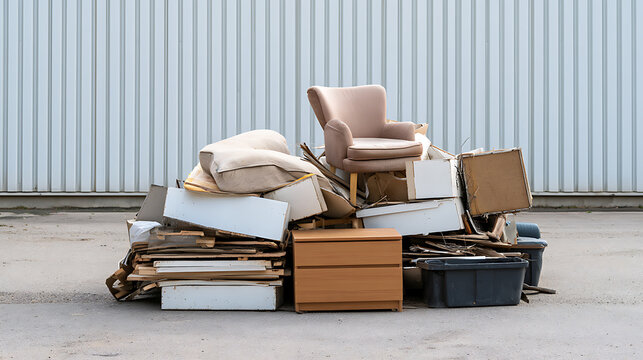
Why Exchange Instead of Selling the Furniture Yourself?
Furniture Exchange is not necessarily the best choice for every customer.
That is worth saying clearly.
If your only objective is achieving the highest possible selling price, you may be able to achieve more through a private sale.
But a private sale also requires more work.
| Selling Privately | TFP Furniture Exchange |
|---|---|
| Potentially higher selling price | Assessed value toward replacement furniture |
| Take photos and create listings | Submit item directly for assessment |
| Respond to buyer enquiries | Deal directly with TFP |
| Negotiate price | Receive an assessed value |
| Wait for a buyer | Integrated into new furniture purchase |
| Arrange collection with buyer | Collection coordinated through EasyGo |
Selling privately may achieve a higher price in some cases.
TFP Furniture Exchange prioritises convenience, certainty and coordination — making it particularly useful for customers whose main objective is a simple transition from old furniture to new furniture.
Furniture Exchange When Moving House
Moving is one of the best times to reassess furniture.
Instead of automatically transporting everything from the old home into the new one, ask:
Does this furniture still belong in the home I am moving into?
The old wardrobe may be too small for the new bedroom.
The old dining table may look lost in a larger dining space.
The traditional 3+2+1 sofa may not suit the layout of a new open-plan living room.
Furniture Exchange gives customers an opportunity to reconsider these pieces before paying to transport them into a property where they still will not work.
Customers using EasyGo for a household move can also discuss how their moving requirements and any Furniture Exchange collection can be coordinated.
Furniture Exchange During Renovation
Renovation creates a slightly different problem.
The room becomes new — but the furniture remains old.
Fresh flooring, contemporary paint and a newly renovated interior can suddenly make an older sofa, wardrobe or dining set look far more dated than it did before the renovation.
Furniture Exchange can help customers upgrade the pieces that no longer match the improved room without first having to independently solve their disposal.
Can You Finance the Remaining Balance?
Customers can typically apply for financing on the remaining balance after the exchange value has been applied, subject to financing approval and current terms.
TFP's current financing options include CIM Finance and Rogers Capital.
For example:
New sofa: Rs 28,000
Approved exchange value: Rs 3,500
Remaining balance: Rs 24,500
The customer may then apply for eligible financing on that remaining amount rather than the original full price, subject to lender approval and the terms applicable at the time.
Whether Furniture Exchange can be combined with another promotion, clearance offer or bundle should be confirmed directly with TFP because campaign-combination rules may change.
What Happens to the Old Furniture?
Once collected, the furniture's condition determines what happens next.
Furniture with useful life remaining may be refurbished or reused.
Repairable furniture may be restored where practical.
Furniture that is beyond practical reuse is handled through appropriate disposal channels.
This should be viewed as a supporting benefit rather than the primary reason for Furniture Exchange.
The core benefit remains simple:
Customers get help moving from furniture they no longer want or need toward furniture that better suits their home today.
6 Things to Remember Before You Apply
- Check that the Furniture Exchange campaign is currently active. It is a promotional programme rather than a permanently guaranteed service.
- Do not expect the advertised maximum automatically. “Up to” means the highest potential campaign value, not the amount every item receives.
- Show damage honestly. Hidden damage can lead to a revised value during physical inspection.
- Do not throw the furniture away before approval. Wait until the exchange is confirmed and collection is officially arranged.
- Tell TFP about difficult access. Stairs, narrow corridors, upper floors and long carries should be discussed beforehand.
- Measure before buying the replacement. The new furniture needs to suit the room just as much as the old furniture needed replacing.
Frequently Asked Questions About TFP Furniture Exchange
How does TFP Furniture Exchange work?
Customers submit details and photographs of old furniture for assessment. TFP provides an estimated exchange value, the customer selects eligible new furniture, final eligibility and value are confirmed, EasyGo collects the old furniture, and the exchange value is applied toward the new purchase.
Can I trade in old furniture in Mauritius?
Yes, when the TFP Furniture Exchange campaign is active. The programme is available island-wide subject to applicable terms and eligibility assessment.
Does the furniture have to be from TFP?
No. Furniture from other retailers, imported furniture and locally manufactured furniture can be submitted for assessment.
How much is my old sofa worth?
Recent campaign communications have advertised sofa exchange values of up to Rs 5,000. The actual amount depends on the sofa's condition, size, age, type and reuse potential.
Can I exchange an old sofa for an L-shaped sofa?
Yes, changing from one sofa configuration to another can be a valid exchange scenario. Customers should confirm the treatment of complete sofa sets and specific campaign eligibility directly with TFP.
Can damaged furniture be exchanged?
Normal wear such as scratches, sagging cushions, fading, small chips and some upholstery damage can still be assessed. Severe mould, pest infestation, major water damage or structurally unsafe furniture may be rejected.
Can I trade in a mattress?
Yes, but mattresses are subject to stricter hygiene requirements. Heavily mouldy, pest-affected or severely contaminated mattresses will not qualify.
Can I trade in a wardrobe?
Yes. 2-door, 3-door, 4-door and sliding-door wardrobes can be submitted for assessment, subject to condition and current campaign eligibility.
Can I exchange an old bed for a larger bed?
Yes. Upgrading from a double bed to a queen or king bed is a common exchange scenario, subject to assessment and the current programme terms.
Can the exchange value be used toward a bedroom set?
Yes, the exchange value can typically be applied toward eligible complete furniture sets rather than only a one-for-one replacement item.
Can I exchange more than one old item?
Customers should confirm multi-item exchange rules with TFP because the ability to combine several old items in one transaction may depend on the active campaign terms.
Can I exchange one type of furniture for another?
Cross-category exchanges should be confirmed directly with TFP rather than assumed. Customers should ask whether their specific old item can be applied toward the new category they want to purchase.
Does TFP collect my old furniture?
Free old-furniture collection has been included in recent Furniture Exchange campaigns, with EasyGo handling the collection. Terms and conditions apply, and customers should confirm current collection conditions with TFP.
Can collection and new furniture delivery happen on the same day?
Coordinated collection and delivery is the intended approach where logistics allow, but exact timing is not guaranteed. Customers should confirm the schedule for their specific transaction.
Should I dismantle my wardrobe before collection?
No, not unless instructed. Customers should confirm dismantling arrangements with EasyGo when scheduling collection rather than dismantling the furniture themselves in advance.
Can I use Furniture Exchange when moving house?
Yes. Moving house is a natural time to assess whether existing furniture still suits the new property, provided the Furniture Exchange campaign is active and the furniture qualifies.
Can I use Furniture Exchange during a renovation?
Yes. Customers often reconsider older furniture after renovating because a refreshed interior can make existing furniture feel visually outdated or practically unsuitable.
Can Furniture Exchange be combined with a sale or promotion?
Promotion-combination rules may vary. Customers should confirm whether the exchange value can be used with current promotional, clearance or bundle pricing before making a purchase.
Can I finance the remaining balance?
Customers may typically apply for financing on the remaining balance through facilities such as CIM Finance or Rogers Capital, subject to approval and current terms.
How long does the assessment take?
Assessment time varies depending on request volume and campaign activity. TFP will contact customers after submission with the estimated value and next steps.
What happens if TFP sees more damage during collection?
The exchange value can be revised if the physical condition differs materially from the information and photographs originally submitted. Ineligible furniture may also be declined.
Is Furniture Exchange better than selling privately?
It depends on your priority. Selling privately may produce a higher price in some cases, while Furniture Exchange focuses on convenience, certainty, collection and integrating the old furniture directly into the purchase of its replacement.
Trade In What No Longer Works. Upgrade to What Does.
Furniture Exchange works because it addresses two problems at the same time.
There is the financial question:
Can my existing furniture contribute something toward the replacement?
And then there is the practical question:
How do I get this large old piece of furniture out of my home?
TFP's Furniture Exchange programme brings those two questions into one coordinated process.
The old furniture is assessed.
An approved value is applied toward the replacement.
EasyGo handles collection.
TFP delivers the new furniture.
And where required, financing may help customers manage the remaining balance.
Furniture Exchange is not simply about getting rid of an old sofa, bed or wardrobe.
It is about making the next upgrade easier — turning furniture you no longer need into value toward furniture that better suits your home today.
For Mauritians who have delayed replacing worn furniture because they did not know what to do with the old piece — or who assumed upgrading was out of reach — the programme can simplify both problems at once.
Before applying, remember that Furniture Exchange operates as a promotional campaign. Availability, exchange values, eligible products, collection arrangements and financing terms may change.
Check the current Furniture Exchange campaign at tfp.mu or contact TFP directly before proceeding.
Trade In, Upgrade Up: How TFP's Furniture Exchange Works
Old sofa taking up space? Wardrobe no longer practical? TFP's Furniture Exchange can turn eligible old furniture into value toward something new — while helping solve the problem of collection at the same time.
Replacing old furniture sounds simple until you reach one very practical question:
What do I do with the furniture I already have?
That question delays more furniture upgrades than many people realise.
A worn sofa may have been uncomfortable for years, but removing a large sofa from a house requires transport, physical effort and somewhere to take it.
A wardrobe may no longer provide enough storage, but replacing it means first solving the problem of the wardrobe already occupying the bedroom.
A bed may have reached the end of its useful life, yet disposing of a large bed frame can feel like a separate project before the customer has even started shopping for the replacement.
TFP's Furniture Exchange programme is designed to simplify that transition.
In simple terms:
Eligible old furniture is assessed by TFP. An approved exchange value is applied toward the purchase of new TFP furniture, while EasyGo handles collection of the old piece as part of the coordinated exchange process.
The important word is assessed.
Furniture Exchange is not an automatic fixed-value trade-in. The actual amount depends on the condition, type, size, age and reuse potential of the individual item.
It is also important to understand that the exchange value is not paid to the customer as cash. It is applied toward an eligible new furniture purchase from TFP.
Here is exactly how the process works.
How TFP Furniture Exchange Works in 5 Steps
Step 1 — Show TFP Your Old Furniture
The process begins with information.
Customers can start through the TFP Furniture Exchange page at tfp.mu, through WhatsApp, by phone or by visiting a TFP showroom.
The first assessment depends heavily on the quality of the information provided, so customers should submit clear photographs and an honest description of the furniture's condition.
Useful Photos to Provide
- Full front view — showing the entire item.
- Side view — to show depth and overall structure.
- Back view — particularly useful for sofas and upholstered furniture.
- Close-ups of damage — tears, scratches, stains, chips or broken components.
- Room/context photo — helping show scale and the furniture's general condition.
Do not photograph only the best-looking side.
If there is damage, show it clearly.
The more accurately the photographs represent the item, the more useful the initial estimate will be.
Step 2 — Receive an Initial Assessment
TFP reviews the submitted furniture details and photographs and provides an estimated exchange value.
This is an initial estimate, not a guaranteed final amount.
The final value depends on the physical condition of the item when it is inspected.
The factors that typically influence the valuation include:
- Condition — the most important factor.
- Furniture type — sofas, beds and wardrobes have different campaign maximums.
- Age — although condition generally matters more than age alone.
- Size — larger or more substantial items may differ in assessed value.
- Original construction quality.
- Reuse or refurbishment potential.
Assessment time can vary depending on the request volume and campaign period.
TFP will contact the customer following submission to confirm the estimated value and next steps.
Step 3 — Choose Your Upgrade
Once the customer understands the approximate exchange value, they can choose the new furniture they want to purchase.
Customers can browse online at tfp.mu or visit a TFP showroom to compare options in person.
Visiting a showroom can be particularly useful for major purchases:
- Sit on the sofa and test its comfort.
- Open wardrobe doors and drawers.
- Check the scale of a dining table.
- Compare colours and finishes.
- Assess mattress comfort.
TFP staff can also help customers think through room dimensions, family size, storage requirements, style and colour coordination.
Practical tip: Measure the room before choosing the replacement. Furniture Exchange solves the old-furniture problem, but the new furniture still needs to fit the space comfortably.
Step 4 — Confirm the Exchange
Before the process becomes final, eligibility and value are confirmed following physical assessment.
If the actual condition differs significantly from the photographs, the value may be revised.
An item can also be rejected if the physical inspection identifies a hygiene, structural or safety problem that was not visible during the initial assessment.
Important: Do not dismantle, sell or discard your old furniture before your exchange has been formally approved and collection has been officially scheduled.
Step 5 — Old Out, New In
Once everything is confirmed, collection and delivery can be arranged.
EasyGo handles the collection of the old furniture as TFP's logistics partner, while TFP delivers the replacement furniture.
Where logistics allow, the intention is to coordinate these stages so the transition from old furniture to new furniture happens as smoothly as possible.
Customers should still confirm the exact timing for their specific transaction.
Free collection of old furniture has been included in recent Furniture Exchange campaigns, with the important qualification:
Free collection of old furniture. Terms and conditions apply.
Access also matters. If the furniture is located upstairs without a lift, down a narrow staircase or a long distance from vehicle access, customers should disclose this before collection is arranged.
What Furniture Can You Exchange?
The programme covers a wide range of household furniture.
Eligible categories can include:
- Sofas.
- Beds.
- Mattresses.
- Wardrobes.
- Dining tables.
- Dining chairs.
- Complete dining sets.
- TV units.
- Coffee tables.
- Sideboards.
- Office desks and chairs.
- Other household furniture, subject to confirmation.
Does the Furniture Have to Be From TFP?
No.
Furniture Exchange is not limited to products originally purchased from TFP.
Furniture from another retailer, imported furniture and locally manufactured furniture can all be submitted for assessment.
Can You Exchange an Old Sofa?
Yes.
Sofas are one of the most common Furniture Exchange categories.
Eligible configurations can include:
- 3-seater sofas.
- 2-seater sofas.
- Complete 3+2+1 sets.
- L-shaped sofas.
- Recliners.
A customer can, for example, use the programme to move away from a traditional 3+2+1 arrangement and upgrade toward an L-shaped sofa.
Whether every piece of an old sofa set must be surrendered should be confirmed with TFP for the specific exchange.
Can You Exchange an Old Bed?
Wooden, upholstered and metal bed frames can be submitted for assessment, as can bunk beds.
One very practical upgrade is:
Old double bed → New queen or king bed
The exchange value may also be applied toward an eligible complete bedroom set rather than only a replacement bed.
What About Children's Beds?
Children's furniture changes as families change.
A single bed may no longer suit a teenager. A bunk-bed arrangement may no longer make sense once children move into separate rooms.
These are legitimate reasons to explore Furniture Exchange rather than waiting until the furniture is physically broken.
Can You Exchange a Mattress?
Yes, subject to stricter hygiene requirements.
Normal wear, minor surface marks and light staining may still be assessed.
Mattresses with heavy mould, pest infestation, severe biological contamination or conditions that make them unsafe to handle will not qualify.
Customers replacing an older mattress may also consider TFP's Royal Lux options, including ranges such as U Sleep, Royal Sleep and Sleepy Deep, depending on current availability.
Can You Exchange a Wardrobe?
Yes.
Eligible wardrobe types can include:
- 2-door wardrobes.
- 3-door wardrobes.
- 4-door wardrobes.
- Sliding-door wardrobes.
A particularly practical upgrade is moving from a small 2-door wardrobe with insufficient storage to a larger sliding-door wardrobe that provides better capacity and reduces the door-clearance space required in the bedroom.
Dining Sets and Other Furniture
Dining tables, dining chairs and complete dining sets can also be assessed.
An extendable dining table can be a smart upgrade for Mauritian households because it remains compact for daily meals but provides extra seating when family or guests come over.
TV units, coffee tables, sideboards, office desks and office chairs can also be considered under the programme.
Watch: How TFP Furniture Exchange Works
Old furniture → submit photos → receive an assessment → choose your upgrade → confirm the exchange → collection and delivery.
How Much Is Your Old Furniture Worth?
This is probably the first question most customers ask.
Recent TFP Furniture Exchange campaign communications have used the following maximum values:
| Furniture Category | Recent Campaign Maximum |
|---|---|
| Sofa | Up to Rs 5,000 |
| Wardrobe | Up to Rs 3,000 |
| Bed | Up to Rs 2,500 |
| Mattress | Up to Rs 1,500 |
| Other Furniture | Up to Rs 1,500 |
These should be understood as recent campaign maximums, not permanent guaranteed values.
Customers should confirm the active campaign and current values with TFP.
What Does “Up To” Actually Mean?
If a campaign says:
Sofa — up to Rs 5,000
that does not mean every sofa receives Rs 5,000.
It means Rs 5,000 is the maximum available within that campaign category for an item meeting the strongest eligible assessment.
A worn but usable sofa may receive less.
A sofa with significant fabric deterioration may receive less again.
And a sofa with severe structural, mould or pest problems may be declined entirely.
Can Worn or Damaged Furniture Still Qualify?
Yes.
Furniture does not need to look new to qualify for assessment.
Common wear that may still be acceptable includes:
- Scratches.
- Faded upholstery.
- Sagging cushions.
- Small chips.
- Minor stains.
- Torn upholstery where the sofa remains structurally sound.
- Wardrobe door damage where the unit remains safe to move.
These conditions will influence value, but they do not automatically mean the item cannot be assessed.
What Is More Likely to Be Rejected?
- Heavy mould.
- Bedbug or other pest infestation.
- Severe water damage.
- Unsafe structural failure.
- Severe contamination.
Condition generally matters more than age alone.
An older, well-kept piece of furniture may be a better exchange candidate than a newer piece that has been badly damaged.
Three Examples of How Exchange Value Works
Example 1 — Sofa
Old sofa assessed at: Rs 3,500
Illustrative new sofa price: Rs 28,000
Illustrative remaining balance: Rs 24,500
Example 2 — Bed
Old bed assessed at: Rs 2,000
Illustrative new bedroom set price: Rs 35,000
Illustrative remaining balance: Rs 33,000
Example 3 — Wardrobe
Old wardrobe assessed at: Rs 1,800
Illustrative new wardrobe price: Rs 22,000
Illustrative remaining balance: Rs 20,200
Illustrative examples only. Actual exchange values depend on the condition, type and eligibility of the specific item assessed. New furniture prices are subject to change — visit tfp.mu for current pricing.
Why Exchange Instead of Selling the Furniture Yourself?
Furniture Exchange is not necessarily the best choice for every customer.
That is worth saying clearly.
If your only objective is achieving the highest possible selling price, you may be able to achieve more through a private sale.
But a private sale also requires more work.
| Selling Privately | TFP Furniture Exchange |
|---|---|
| Potentially higher selling price | Assessed value toward replacement furniture |
| Take photos and create listings | Submit item directly for assessment |
| Respond to buyer enquiries | Deal directly with TFP |
| Negotiate price | Receive an assessed value |
| Wait for a buyer | Integrated into new furniture purchase |
| Arrange collection with buyer | Collection coordinated through EasyGo |
Selling privately may achieve a higher price in some cases.
TFP Furniture Exchange prioritises convenience, certainty and coordination — making it particularly useful for customers whose main objective is a simple transition from old furniture to new furniture.
Furniture Exchange When Moving House
Moving is one of the best times to reassess furniture.
Instead of automatically transporting everything from the old home into the new one, ask:
Does this furniture still belong in the home I am moving into?
The old wardrobe may be too small for the new bedroom.
The old dining table may look lost in a larger dining space.
The traditional 3+2+1 sofa may not suit the layout of a new open-plan living room.
Furniture Exchange gives customers an opportunity to reconsider these pieces before paying to transport them into a property where they still will not work.
Customers using EasyGo for a household move can also discuss how their moving requirements and any Furniture Exchange collection can be coordinated.
Furniture Exchange During Renovation
Renovation creates a slightly different problem.
The room becomes new — but the furniture remains old.
Fresh flooring, contemporary paint and a newly renovated interior can suddenly make an older sofa, wardrobe or dining set look far more dated than it did before the renovation.
Furniture Exchange can help customers upgrade the pieces that no longer match the improved room without first having to independently solve their disposal.
Can You Finance the Remaining Balance?
Customers can typically apply for financing on the remaining balance after the exchange value has been applied, subject to financing approval and current terms.
TFP's current financing options include CIM Finance and Rogers Capital.
For example:
New sofa: Rs 28,000
Approved exchange value: Rs 3,500
Remaining balance: Rs 24,500
The customer may then apply for eligible financing on that remaining amount rather than the original full price, subject to lender approval and the terms applicable at the time.
Whether Furniture Exchange can be combined with another promotion, clearance offer or bundle should be confirmed directly with TFP because campaign-combination rules may change.
What Happens to the Old Furniture?
Once collected, the furniture's condition determines what happens next.
Furniture with useful life remaining may be refurbished or reused.
Repairable furniture may be restored where practical.
Furniture that is beyond practical reuse is handled through appropriate disposal channels.
This should be viewed as a supporting benefit rather than the primary reason for Furniture Exchange.
The core benefit remains simple:
Customers get help moving from furniture they no longer want or need toward furniture that better suits their home today.
6 Things to Remember Before You Apply
- Check that the Furniture Exchange campaign is currently active. It is a promotional programme rather than a permanently guaranteed service.
- Do not expect the advertised maximum automatically. “Up to” means the highest potential campaign value, not the amount every item receives.
- Show damage honestly. Hidden damage can lead to a revised value during physical inspection.
- Do not throw the furniture away before approval. Wait until the exchange is confirmed and collection is officially arranged.
- Tell TFP about difficult access. Stairs, narrow corridors, upper floors and long carries should be discussed beforehand.
- Measure before buying the replacement. The new furniture needs to suit the room just as much as the old furniture needed replacing.
Frequently Asked Questions About TFP Furniture Exchange
How does TFP Furniture Exchange work?
Customers submit details and photographs of old furniture for assessment. TFP provides an estimated exchange value, the customer selects eligible new furniture, final eligibility and value are confirmed, EasyGo collects the old furniture, and the exchange value is applied toward the new purchase.
Can I trade in old furniture in Mauritius?
Yes, when the TFP Furniture Exchange campaign is active. The programme is available island-wide subject to applicable terms and eligibility assessment.
Does the furniture have to be from TFP?
No. Furniture from other retailers, imported furniture and locally manufactured furniture can be submitted for assessment.
How much is my old sofa worth?
Recent campaign communications have advertised sofa exchange values of up to Rs 5,000. The actual amount depends on the sofa's condition, size, age, type and reuse potential.
Can I exchange an old sofa for an L-shaped sofa?
Yes, changing from one sofa configuration to another can be a valid exchange scenario. Customers should confirm the treatment of complete sofa sets and specific campaign eligibility directly with TFP.
Can damaged furniture be exchanged?
Normal wear such as scratches, sagging cushions, fading, small chips and some upholstery damage can still be assessed. Severe mould, pest infestation, major water damage or structurally unsafe furniture may be rejected.
Can I trade in a mattress?
Yes, but mattresses are subject to stricter hygiene requirements. Heavily mouldy, pest-affected or severely contaminated mattresses will not qualify.
Can I trade in a wardrobe?
Yes. 2-door, 3-door, 4-door and sliding-door wardrobes can be submitted for assessment, subject to condition and current campaign eligibility.
Can I exchange an old bed for a larger bed?
Yes. Upgrading from a double bed to a queen or king bed is a common exchange scenario, subject to assessment and the current programme terms.
Can the exchange value be used toward a bedroom set?
Yes, the exchange value can typically be applied toward eligible complete furniture sets rather than only a one-for-one replacement item.
Can I exchange more than one old item?
Customers should confirm multi-item exchange rules with TFP because the ability to combine several old items in one transaction may depend on the active campaign terms.
Can I exchange one type of furniture for another?
Cross-category exchanges should be confirmed directly with TFP rather than assumed. Customers should ask whether their specific old item can be applied toward the new category they want to purchase.
Does TFP collect my old furniture?
Free old-furniture collection has been included in recent Furniture Exchange campaigns, with EasyGo handling the collection. Terms and conditions apply, and customers should confirm current collection conditions with TFP.
Can collection and new furniture delivery happen on the same day?
Coordinated collection and delivery is the intended approach where logistics allow, but exact timing is not guaranteed. Customers should confirm the schedule for their specific transaction.
Should I dismantle my wardrobe before collection?
No, not unless instructed. Customers should confirm dismantling arrangements with EasyGo when scheduling collection rather than dismantling the furniture themselves in advance.
Can I use Furniture Exchange when moving house?
Yes. Moving house is a natural time to assess whether existing furniture still suits the new property, provided the Furniture Exchange campaign is active and the furniture qualifies.
Can I use Furniture Exchange during a renovation?
Yes. Customers often reconsider older furniture after renovating because a refreshed interior can make existing furniture feel visually outdated or practically unsuitable.
Can Furniture Exchange be combined with a sale or promotion?
Promotion-combination rules may vary. Customers should confirm whether the exchange value can be used with current promotional, clearance or bundle pricing before making a purchase.
Can I finance the remaining balance?
Customers may typically apply for financing on the remaining balance through facilities such as CIM Finance or Rogers Capital, subject to approval and current terms.
How long does the assessment take?
Assessment time varies depending on request volume and campaign activity. TFP will contact customers after submission with the estimated value and next steps.
What happens if TFP sees more damage during collection?
The exchange value can be revised if the physical condition differs materially from the information and photographs originally submitted. Ineligible furniture may also be declined.
Is Furniture Exchange better than selling privately?
It depends on your priority. Selling privately may produce a higher price in some cases, while Furniture Exchange focuses on convenience, certainty, collection and integrating the old furniture directly into the purchase of its replacement.
Trade In What No Longer Works. Upgrade to What Does.
Furniture Exchange works because it addresses two problems at the same time.
There is the financial question:
Can my existing furniture contribute something toward the replacement?
And then there is the practical question:
How do I get this large old piece of furniture out of my home?
TFP's Furniture Exchange programme brings those two questions into one coordinated process.
The old furniture is assessed.
An approved value is applied toward the replacement.
EasyGo handles collection.
TFP delivers the new furniture.
And where required, financing may help customers manage the remaining balance.
Furniture Exchange is not simply about getting rid of an old sofa, bed or wardrobe.
It is about making the next upgrade easier — turning furniture you no longer need into value toward furniture that better suits your home today.
For Mauritians who have delayed replacing worn furniture because they did not know what to do with the old piece — or who assumed upgrading was out of reach — the programme can simplify both problems at once.
Before applying, remember that Furniture Exchange operates as a promotional campaign. Availability, exchange values, eligible products, collection arrangements and financing terms may change.
Check the current Furniture Exchange campaign at tfp.mu or contact TFP directly before proceeding.