Reduce, Reuse, Refurnish: Giving Old Furniture a Second Life with TFP
What happens to your sofa, wardrobe or bed when you no longer need it? TFP Furniture Exchange offers Mauritian households a practical alternative to simply throwing old furniture away — assessing pieces for reuse and refurbishment where practical while making the next upgrade easier.
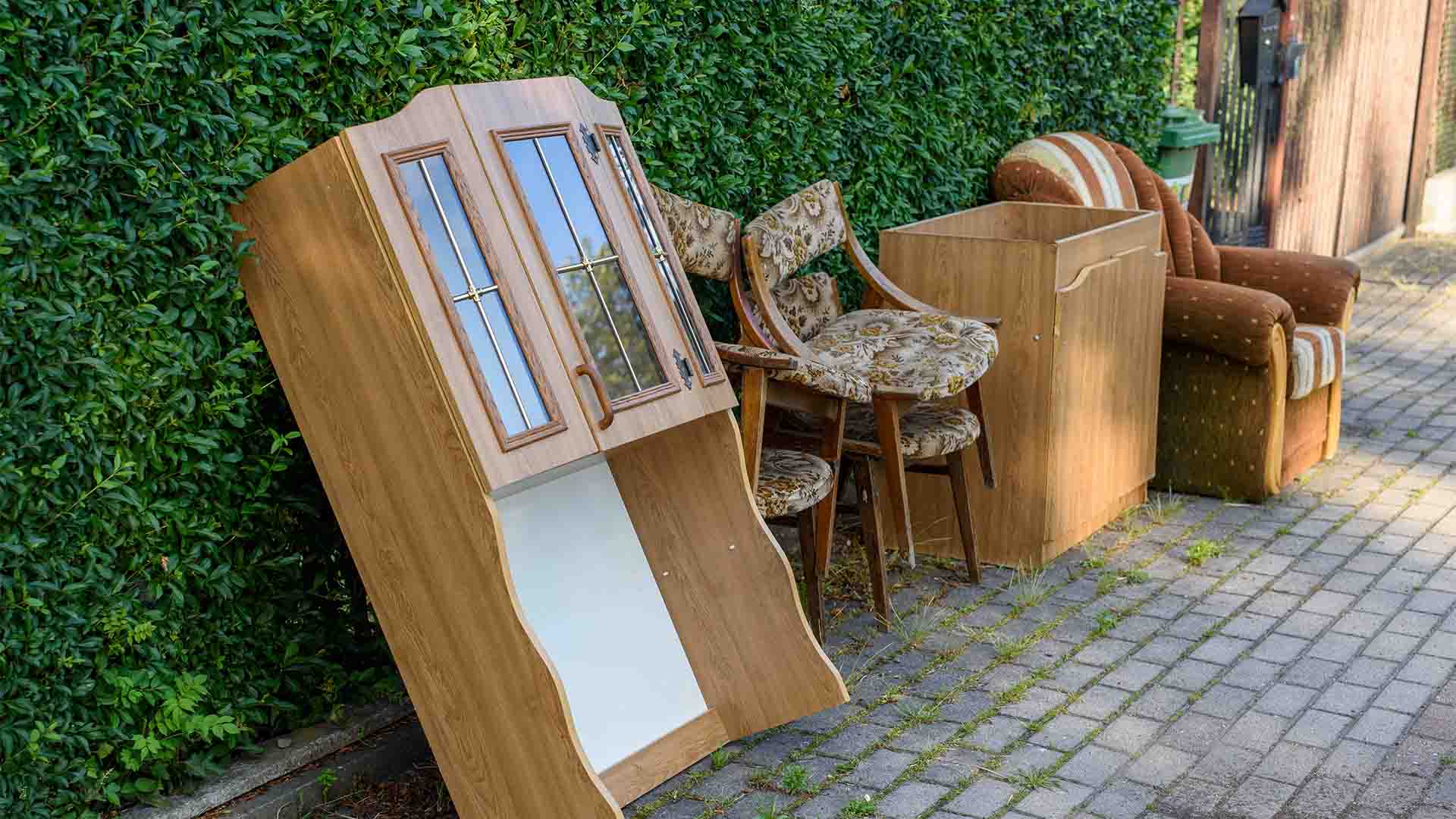
A sofa has started showing its age. A wardrobe no longer provides enough storage. A bed does not suit the family's needs anymore. Eventually, many households reach the same question: What should we do with the old furniture?
For large furniture, that question can be surprisingly difficult. A sofa, wardrobe, bed or mattress cannot simply be placed into a normal household bin. Moving it requires transport, physical effort and somewhere appropriate for it to go.
But there is another question worth asking before deciding that old furniture is simply waste:
Could this furniture still have another useful life?
That question sits at the heart of the sustainability benefit created by TFP Furniture Exchange Mauritius.
Furniture Exchange is a commercial trade-in programme designed primarily to make upgrading furniture more affordable and convenient. Eligible old furniture is assessed for an exchange value that can be applied toward eligible new furniture, while approved old furniture can be collected.
But the programme also creates another opportunity: instead of treating every collected piece as immediate waste, furniture can be assessed for reuse, refurbishment and parts recovery where practical.
That does not mean every old sofa can be saved or every mattress can be reused. Some furniture has genuinely reached the end of its practical life.
The more responsible approach is to find out which is which.
Before You Replace It, Ask Whether You Really Need To
There is an important point that any honest conversation about sustainable furniture should begin with: if your existing furniture still works well and continues to meet your needs, keeping it may be better than replacing it unnecessarily.
Furniture Exchange is not about encouraging households to discard perfectly useful furniture simply because something newer exists.
The typical exchange customer has already reached the point where replacement makes sense. The furniture may be worn, the family may have outgrown it, a move or renovation may have changed the room, or the household may simply need a different type of furniture.
At that point, the environmental question changes from:
“Should I replace this?”
to
“If I'm replacing it anyway, what is the most responsible thing I can do with the old piece?”
Reduce: Moving Beyond the Buy, Use, Discard Cycle
One of the simplest ways to understand a circular approach to furniture is to compare two journeys.
Traditional linear approach:
Buy → Use → Discard → Replace
A more circular approach:
Buy → Use → Exchange → Assess → Second life where practical
A circular economy sounds technical, but the basic idea is simple: keep products and useful materials in service for longer instead of automatically treating them as waste after their first owner has finished with them.
TFP Furniture Exchange supports elements of this approach. It is not a complete closed-loop recycling system, and it should not be described as one.
Its contribution is more practical: furniture that enters the exchange programme can be assessed for second-life potential before its next destination is decided.
Furniture Disposal Is Also a Logistics Problem
Large furniture presents a challenge that smaller household items do not: you need a practical way to move it.
A large sofa, wardrobe or mattress requires suitable transport and enough physical capacity to remove it safely from a home. That logistical difficulty can become one of the biggest barriers to dealing with unwanted furniture properly.
Some households may pass usable furniture to relatives or neighbours. Others may sell it privately, store it because disposal is difficult, arrange their own transport, or leave it outside hoping somebody else can make use of it.
Furniture Exchange provides another structured route. Once an exchange has been approved, collection removes much of the transport burden from the customer.
Free collection of old furniture. Terms and conditions apply.
By helping solve the transport problem, the programme makes it easier for customers to choose a structured furniture-handling route instead of being left to solve the large-item disposal problem alone.
Reuse: What Happens After TFP Collects Your Old Furniture?
The environmental value of a furniture exchange does not come simply from collecting an old item. What matters is whether that furniture — or useful parts of it — still has practical life remaining.
After collection, exchanged furniture is directed to a TFP facility where its post-collection potential can be assessed.
This is different from the initial exchange valuation.
The first assessment helps establish whether the furniture is eligible for exchange and what exchange value may apply. The post-collection assessment looks at a different question: What can realistically happen to this furniture next?
Depending on its condition and construction, there are several possible pathways.
Direct reuse where practical
Furniture in particularly good condition may require little work before being suitable for continued use.
Refurbishment before reuse
Other pieces may still have a sound structure but need cleaning, new hardware, upholstery work, refinishing or another practical repair before they can have a second life.
Recovery of useful components
Sometimes the complete item cannot realistically be saved, but individual components still can.
Handles, hinges, drawer runners, legs, timber panels and metal components may still have practical value and can potentially support other refurbishment work.
Appropriate disposal when recovery is no longer practical
Some furniture has simply reached the end of its useful life. Severe structural failure, contamination, extensive moisture damage or materials that cannot practically be restored may leave no reasonable second-life option.
In those cases, the furniture is directed toward appropriate disposal channels rather than being abandoned.
Environmental honesty matters: Furniture Exchange does not mean every collected item is recycled, refurbished or saved from disposal. The objective is to identify second-life potential where it genuinely exists rather than assuming every piece has the same outcome.
Refurnish: When Old Furniture Is Worth Repairing
“Old” and “finished” are not necessarily the same thing.
A scratched dining table may still have a strong frame. A sofa with tired upholstery may still have excellent structural support underneath. A wardrobe with an outdated appearance may still have a solid carcass and only need new hardware or surface work.
Refurbishment looks beyond appearance and asks whether the underlying furniture is still worth working with.
Upholstery and cushions
A structurally sound fabric sofa may benefit from deep cleaning, fabric treatment, upholstery work or replacement cushion foam when the frame remains worth preserving.
Wood surfaces
Solid wood has particularly strong refurbishment potential because scratches and worn finishes can often be sanded and refinished rather than requiring the entire piece to be discarded.
Hardware
A damaged hinge, missing handle or failed drawer runner does not necessarily mean an entire wardrobe or cabinet has reached the end of its life. Replacing individual components can restore functionality without replacing the whole structure.
Structural repairs
Joint tightening, frame reinforcement and other minor structural work may make sense when the main carcass or frame remains fundamentally sound.
Why Some Furniture Has More Second-Life Potential Than Others
Construction quality plays a major role in determining whether refurbishment is worthwhile.
Solid wood furniture is often easier to restore because surfaces can be sanded, refinished and repaired. Quality timber frames, durable plywood structures and sound hardware can also justify refurbishment because the underlying construction remains useful.
On the other hand, some forms of deterioration are difficult or uneconomical to reverse.
Advanced PU leather peeling, badly moisture-swollen laminated board, collapsed frames, severe contamination and very low-quality structures can reach a point where the work required to restore them is no longer practical.
This is why the condition assessment matters environmentally as well as financially: it helps distinguish between furniture that looks old but still has useful life and furniture that has genuinely reached the end of that life.
What Happens to Your Old Furniture After TFP Collects It?
Follow the journey from collection and assessment to refurbishment, parts recovery or the next appropriate destination.
Reuse Is Not the Same as Recycling
These words are often used interchangeably, but there is an important difference.
Reuse means keeping the furniture — or a useful component from it — in service for longer.
Refurbishment means repairing, cleaning or restoring furniture so it can continue to be useful.
Recycling usually means breaking materials down so they can enter a material-recovery process.
TFP Furniture Exchange is therefore more accurately described as supporting furniture reuse and refurbishment in Mauritius rather than as a comprehensive furniture recycling programme.
Some material recovery is possible. Metal components can be separated and directed toward appropriate recovery channels, while sound timber may have further use. However, comprehensive separation and recycling of every material — including foam, fabric, plastics and other components — should not be assumed.
What About Mattresses?
Mattresses require a more cautious approach because hygiene is critical.
A mattress affected by severe contamination, heavy mould, pest infestation or serious deterioration may not be suitable for reuse.
Although mattresses contain components that can technically be recovered in specialised recycling systems, TFP does not claim that every exchanged mattress is recycled. Mattresses that cannot be reused are directed toward appropriate disposal channels according to the options available.
Why Furniture Reuse Matters in Mauritius
For Mauritian households, unwanted furniture presents a very practical problem.
Large household items require transport, people to move them and an appropriate destination. This can lead households to store unwanted furniture for long periods simply because removing it is difficult.
Usable pieces are also frequently passed to family members or neighbours, sold privately or collected informally — all examples of furniture continuing to serve a purpose beyond its first owner.
TFP Furniture Exchange adds another structured option to this existing culture of reuse.
Instead of making the customer independently arrange transport and decide what to do with the unwanted piece, the programme combines assessment, exchange and collection in one process.
That does not solve every challenge associated with old furniture disposal in Mauritius, but it can remove one of the most significant practical barriers: getting a large item out of the home and into a structured handling process.
A Second Life Can Start With Something Small
Extending furniture life does not always mean completely rebuilding an old piece.
Sometimes the difference is a new hinge.
Sometimes it is a replacement handle, a repaired drawer runner, fresh cushion foam, deep cleaning or refinishing a wooden surface.
And sometimes an entire piece cannot be saved, but a useful component can still help another piece remain functional for longer.
The principle is simple:
Before treating the whole piece as waste, first identify what — if anything — still has useful life.
How TFP Furniture Exchange Fits Into the Picture
The environmental benefit is only one part of Furniture Exchange.
For most customers, the immediate motivations are much simpler: they already want to replace their furniture, they want some value from the old piece, and they do not want the difficulty of figuring out how to remove it themselves.
The programme connects those needs.
Customers submit photographs and information about their old furniture. TFP assesses the piece and provides an estimated exchange value where eligible. The customer chooses eligible replacement furniture, the exchange is confirmed, and collection of the approved old furniture is arranged.
The approved exchange value is applied toward the eligible new furniture purchase rather than being paid as cash.
Current exchange values, campaign availability, product eligibility and promotional terms can change, so customers should always confirm the current Furniture Exchange terms before applying.
Sustainability Without the Greenwashing
Environmental claims are most useful when they describe what a programme actually does rather than what we would like to imagine it does.
TFP Furniture Exchange should therefore not be interpreted as a promise that every collected item is recycled, every sofa is refurbished or nothing ever reaches conventional disposal.
That would not reflect the reality of furniture condition.
Some pieces have excellent second-life potential. Some can become useful again after refurbishment. Some may provide reusable components. Others have reached the point where safe, practical restoration is no longer reasonable.
The environmental contribution comes from creating an opportunity to make that distinction rather than automatically treating every unwanted piece as waste.
The most sustainable piece of furniture is not always a new one.
By assessing old furniture for reuse and refurbishment where practical, TFP Furniture Exchange can help extend the useful life of furniture while making the customer's next upgrade easier.
Frequently Asked Questions
What happens to furniture traded in at TFP?
After collection, furniture is assessed for its practical second-life potential. Depending on condition and construction, possible pathways include reuse, refurbishment, recovery of useful components or appropriate disposal when further use is no longer practical.
Does TFP refurbish exchanged furniture?
Furniture with suitable condition and construction can enter TFP's refurbishment process. Potential work can include cleaning, upholstery work, cushion foam replacement, wood refinishing, hardware replacement and minor structural repair where practical.
What happens if my furniture cannot be reused?
Useful components may still be recovered where practical. When furniture cannot reasonably be reused, refurbished or provide recoverable components, it is directed toward appropriate disposal channels.
Is TFP Furniture Exchange environmentally friendly?
The programme can create environmental benefits by assessing furniture for reuse, refurbishment and parts recovery where practical and by providing customers with a structured alternative for unwanted furniture. However, it is a commercial trade-in programme rather than a zero-waste or complete closed-loop recycling system, and not every collected item can avoid disposal.
How can I dispose of old furniture responsibly in Mauritius?
If the furniture is still usable, consider keeping it in service, passing it to someone who needs it, selling it privately or checking whether it qualifies for a structured programme such as TFP Furniture Exchange. If it has reached the end of its useful life, appropriate disposal should be arranged rather than abandoning it.
Can mattresses be reused or recycled?
Mattress reuse depends heavily on hygiene and condition. Mattresses affected by serious contamination, mould, pests or structural deterioration may not be suitable for reuse. TFP does not claim that every exchanged mattress is recycled.
Is it better to repair furniture or replace it?
If furniture remains safe, functional and suitable for your needs, continuing to use or reasonably repair it can extend its useful life. Replacement becomes more appropriate when the furniture no longer meets your needs or deterioration makes continued repair impractical.
Does TFP recycle old furniture?
TFP Furniture Exchange is primarily focused on reuse and refurbishment rather than comprehensive material recycling. Certain components, particularly metal and recoverable timber, may be directed toward appropriate recovery where practical, but recycling of every furniture material should not be assumed.
Can damaged furniture be reused?
Sometimes. Surface wear, minor hardware problems, tired upholstery and other repairable defects do not necessarily mean a piece has reached the end of its life. Structural integrity and refurbishment viability are more important.
What furniture can be refurbished?
Solid wood furniture, sound wooden beds and wardrobes, quality furniture carcasses and upholstered pieces with structurally intact frames generally have stronger refurbishment potential. Every item still requires individual assessment.
Does TFP donate old furniture?
Specific donation arrangements are not confirmed and should not be assumed. Customers should contact TFP directly if they need information about the current destination of exchanged furniture.
Does TFP resell exchanged furniture?
Specific resale arrangements for exchanged or refurbished furniture are not confirmed. The programme should not be interpreted as automatically reselling every piece that is collected.
How does Furniture Exchange help reduce furniture waste?
It creates an opportunity to identify furniture and components that still have useful life before disposal. Reuse, refurbishment and parts recovery where practical can extend the service life of existing furniture and materials.
Does TFP collect my old furniture?
TFP collects your old furniture as part of the Furniture Exchange programme.
Is old furniture collection free?
The approved campaign wording is: “Free collection of old furniture. Terms and conditions apply.” Customers should confirm current collection conditions when arranging their exchange.
Does my old furniture need to have been purchased from TFP?
No. Furniture can potentially qualify even if it was originally purchased from another retailer, imported or made locally, subject to assessment and current campaign terms.
Can furniture from another retailer get a second life through TFP?
Potentially. Original retailer is not the main consideration. Condition, construction and practical reuse or refurbishment potential are what matter once an eligible item enters the programme.
How do I apply for TFP Furniture Exchange?
First check whether the Furniture Exchange campaign is currently active. If it is, submit clear photographs and details of your old furniture through TFP's Furniture Exchange page or contact TFP through WhatsApp to begin the assessment process.
Closing Thoughts: Old Does Not Automatically Mean Waste
Furniture eventually changes.
Cushions soften. Finishes become scratched. Styles move on. Families grow, homes change and storage needs increase.
But reaching the end of one owner's use does not necessarily mean reaching the end of the furniture's useful life.
A strong frame may still be worth reupholstering. A wooden table may be worth refinishing. A wardrobe may need nothing more than repaired hardware. Even when the complete piece cannot continue, useful components may still have value elsewhere.
And sometimes the honest conclusion is that a piece has reached the end of what can practically be recovered.
Responsible furniture ownership means recognising both possibilities.
Reduce what is unnecessarily discarded.
Reuse what still has useful life.
Refurnish what can reasonably be restored.
Before You Throw It Away, Find Out Whether It Could Have a Second Life
TFP Furniture Exchange is a promotional programme and may not be active at all times. Exchange values, eligible products, collection conditions and other terms can change between campaigns.
Before deciding what to do with your unwanted furniture, check whether the current TFP Furniture Exchange campaign is active at tfp.mu.
If the campaign is active, submit clear photographs and details of your furniture to find out whether it qualifies and what exchange value it could contribute toward your next upgrade.
Before you throw it away, find out whether it could have a second life.
Reduce, Reuse, Refurnish: Giving Old Furniture a Second Life with TFP
What happens to your sofa, wardrobe or bed when you no longer need it? TFP Furniture Exchange offers Mauritian households a practical alternative to simply throwing old furniture away — assessing pieces for reuse and refurbishment where practical while making the next upgrade easier.
A sofa has started showing its age. A wardrobe no longer provides enough storage. A bed does not suit the family's needs anymore. Eventually, many households reach the same question: What should we do with the old furniture?
For large furniture, that question can be surprisingly difficult. A sofa, wardrobe, bed or mattress cannot simply be placed into a normal household bin. Moving it requires transport, physical effort and somewhere appropriate for it to go.
But there is another question worth asking before deciding that old furniture is simply waste:
Could this furniture still have another useful life?
That question sits at the heart of the sustainability benefit created by TFP Furniture Exchange Mauritius.
Furniture Exchange is a commercial trade-in programme designed primarily to make upgrading furniture more affordable and convenient. Eligible old furniture is assessed for an exchange value that can be applied toward eligible new furniture, while approved old furniture can be collected.
But the programme also creates another opportunity: instead of treating every collected piece as immediate waste, furniture can be assessed for reuse, refurbishment and parts recovery where practical.
That does not mean every old sofa can be saved or every mattress can be reused. Some furniture has genuinely reached the end of its practical life.
The more responsible approach is to find out which is which.
Before You Replace It, Ask Whether You Really Need To
There is an important point that any honest conversation about sustainable furniture should begin with: if your existing furniture still works well and continues to meet your needs, keeping it may be better than replacing it unnecessarily.
Furniture Exchange is not about encouraging households to discard perfectly useful furniture simply because something newer exists.
The typical exchange customer has already reached the point where replacement makes sense. The furniture may be worn, the family may have outgrown it, a move or renovation may have changed the room, or the household may simply need a different type of furniture.
At that point, the environmental question changes from:
“Should I replace this?”
to
“If I'm replacing it anyway, what is the most responsible thing I can do with the old piece?”
Reduce: Moving Beyond the Buy, Use, Discard Cycle
One of the simplest ways to understand a circular approach to furniture is to compare two journeys.
Traditional linear approach:
Buy → Use → Discard → Replace
A more circular approach:
Buy → Use → Exchange → Assess → Second life where practical
A circular economy sounds technical, but the basic idea is simple: keep products and useful materials in service for longer instead of automatically treating them as waste after their first owner has finished with them.
TFP Furniture Exchange supports elements of this approach. It is not a complete closed-loop recycling system, and it should not be described as one.
Its contribution is more practical: furniture that enters the exchange programme can be assessed for second-life potential before its next destination is decided.
Furniture Disposal Is Also a Logistics Problem
Large furniture presents a challenge that smaller household items do not: you need a practical way to move it.
A large sofa, wardrobe or mattress requires suitable transport and enough physical capacity to remove it safely from a home. That logistical difficulty can become one of the biggest barriers to dealing with unwanted furniture properly.
Some households may pass usable furniture to relatives or neighbours. Others may sell it privately, store it because disposal is difficult, arrange their own transport, or leave it outside hoping somebody else can make use of it.
Furniture Exchange provides another structured route. Once an exchange has been approved, collection removes much of the transport burden from the customer.
Free collection of old furniture. Terms and conditions apply.
By helping solve the transport problem, the programme makes it easier for customers to choose a structured furniture-handling route instead of being left to solve the large-item disposal problem alone.
Reuse: What Happens After TFP Collects Your Old Furniture?
The environmental value of a furniture exchange does not come simply from collecting an old item. What matters is whether that furniture — or useful parts of it — still has practical life remaining.
After collection, exchanged furniture is directed to a TFP facility where its post-collection potential can be assessed.
This is different from the initial exchange valuation.
The first assessment helps establish whether the furniture is eligible for exchange and what exchange value may apply. The post-collection assessment looks at a different question: What can realistically happen to this furniture next?
Depending on its condition and construction, there are several possible pathways.
Direct reuse where practical
Furniture in particularly good condition may require little work before being suitable for continued use.
Refurbishment before reuse
Other pieces may still have a sound structure but need cleaning, new hardware, upholstery work, refinishing or another practical repair before they can have a second life.
Recovery of useful components
Sometimes the complete item cannot realistically be saved, but individual components still can.
Handles, hinges, drawer runners, legs, timber panels and metal components may still have practical value and can potentially support other refurbishment work.
Appropriate disposal when recovery is no longer practical
Some furniture has simply reached the end of its useful life. Severe structural failure, contamination, extensive moisture damage or materials that cannot practically be restored may leave no reasonable second-life option.
In those cases, the furniture is directed toward appropriate disposal channels rather than being abandoned.
Environmental honesty matters: Furniture Exchange does not mean every collected item is recycled, refurbished or saved from disposal. The objective is to identify second-life potential where it genuinely exists rather than assuming every piece has the same outcome.
Refurnish: When Old Furniture Is Worth Repairing
“Old” and “finished” are not necessarily the same thing.
A scratched dining table may still have a strong frame. A sofa with tired upholstery may still have excellent structural support underneath. A wardrobe with an outdated appearance may still have a solid carcass and only need new hardware or surface work.
Refurbishment looks beyond appearance and asks whether the underlying furniture is still worth working with.
Upholstery and cushions
A structurally sound fabric sofa may benefit from deep cleaning, fabric treatment, upholstery work or replacement cushion foam when the frame remains worth preserving.
Wood surfaces
Solid wood has particularly strong refurbishment potential because scratches and worn finishes can often be sanded and refinished rather than requiring the entire piece to be discarded.
Hardware
A damaged hinge, missing handle or failed drawer runner does not necessarily mean an entire wardrobe or cabinet has reached the end of its life. Replacing individual components can restore functionality without replacing the whole structure.
Structural repairs
Joint tightening, frame reinforcement and other minor structural work may make sense when the main carcass or frame remains fundamentally sound.
Why Some Furniture Has More Second-Life Potential Than Others
Construction quality plays a major role in determining whether refurbishment is worthwhile.
Solid wood furniture is often easier to restore because surfaces can be sanded, refinished and repaired. Quality timber frames, durable plywood structures and sound hardware can also justify refurbishment because the underlying construction remains useful.
On the other hand, some forms of deterioration are difficult or uneconomical to reverse.
Advanced PU leather peeling, badly moisture-swollen laminated board, collapsed frames, severe contamination and very low-quality structures can reach a point where the work required to restore them is no longer practical.
This is why the condition assessment matters environmentally as well as financially: it helps distinguish between furniture that looks old but still has useful life and furniture that has genuinely reached the end of that life.
What Happens to Your Old Furniture After TFP Collects It?
Follow the journey from collection and assessment to refurbishment, parts recovery or the next appropriate destination.
Reuse Is Not the Same as Recycling
These words are often used interchangeably, but there is an important difference.
Reuse means keeping the furniture — or a useful component from it — in service for longer.
Refurbishment means repairing, cleaning or restoring furniture so it can continue to be useful.
Recycling usually means breaking materials down so they can enter a material-recovery process.
TFP Furniture Exchange is therefore more accurately described as supporting furniture reuse and refurbishment in Mauritius rather than as a comprehensive furniture recycling programme.
Some material recovery is possible. Metal components can be separated and directed toward appropriate recovery channels, while sound timber may have further use. However, comprehensive separation and recycling of every material — including foam, fabric, plastics and other components — should not be assumed.
What About Mattresses?
Mattresses require a more cautious approach because hygiene is critical.
A mattress affected by severe contamination, heavy mould, pest infestation or serious deterioration may not be suitable for reuse.
Although mattresses contain components that can technically be recovered in specialised recycling systems, TFP does not claim that every exchanged mattress is recycled. Mattresses that cannot be reused are directed toward appropriate disposal channels according to the options available.
Why Furniture Reuse Matters in Mauritius
For Mauritian households, unwanted furniture presents a very practical problem.
Large household items require transport, people to move them and an appropriate destination. This can lead households to store unwanted furniture for long periods simply because removing it is difficult.
Usable pieces are also frequently passed to family members or neighbours, sold privately or collected informally — all examples of furniture continuing to serve a purpose beyond its first owner.
TFP Furniture Exchange adds another structured option to this existing culture of reuse.
Instead of making the customer independently arrange transport and decide what to do with the unwanted piece, the programme combines assessment, exchange and collection in one process.
That does not solve every challenge associated with old furniture disposal in Mauritius, but it can remove one of the most significant practical barriers: getting a large item out of the home and into a structured handling process.
A Second Life Can Start With Something Small
Extending furniture life does not always mean completely rebuilding an old piece.
Sometimes the difference is a new hinge.
Sometimes it is a replacement handle, a repaired drawer runner, fresh cushion foam, deep cleaning or refinishing a wooden surface.
And sometimes an entire piece cannot be saved, but a useful component can still help another piece remain functional for longer.
The principle is simple:
Before treating the whole piece as waste, first identify what — if anything — still has useful life.
How TFP Furniture Exchange Fits Into the Picture
The environmental benefit is only one part of Furniture Exchange.
For most customers, the immediate motivations are much simpler: they already want to replace their furniture, they want some value from the old piece, and they do not want the difficulty of figuring out how to remove it themselves.
The programme connects those needs.
Customers submit photographs and information about their old furniture. TFP assesses the piece and provides an estimated exchange value where eligible. The customer chooses eligible replacement furniture, the exchange is confirmed, and collection of the approved old furniture is arranged.
The approved exchange value is applied toward the eligible new furniture purchase rather than being paid as cash.
Current exchange values, campaign availability, product eligibility and promotional terms can change, so customers should always confirm the current Furniture Exchange terms before applying.
Sustainability Without the Greenwashing
Environmental claims are most useful when they describe what a programme actually does rather than what we would like to imagine it does.
TFP Furniture Exchange should therefore not be interpreted as a promise that every collected item is recycled, every sofa is refurbished or nothing ever reaches conventional disposal.
That would not reflect the reality of furniture condition.
Some pieces have excellent second-life potential. Some can become useful again after refurbishment. Some may provide reusable components. Others have reached the point where safe, practical restoration is no longer reasonable.
The environmental contribution comes from creating an opportunity to make that distinction rather than automatically treating every unwanted piece as waste.
The most sustainable piece of furniture is not always a new one.
By assessing old furniture for reuse and refurbishment where practical, TFP Furniture Exchange can help extend the useful life of furniture while making the customer's next upgrade easier.
Frequently Asked Questions
What happens to furniture traded in at TFP?
After collection, furniture is assessed for its practical second-life potential. Depending on condition and construction, possible pathways include reuse, refurbishment, recovery of useful components or appropriate disposal when further use is no longer practical.
Does TFP refurbish exchanged furniture?
Furniture with suitable condition and construction can enter TFP's refurbishment process. Potential work can include cleaning, upholstery work, cushion foam replacement, wood refinishing, hardware replacement and minor structural repair where practical.
What happens if my furniture cannot be reused?
Useful components may still be recovered where practical. When furniture cannot reasonably be reused, refurbished or provide recoverable components, it is directed toward appropriate disposal channels.
Is TFP Furniture Exchange environmentally friendly?
The programme can create environmental benefits by assessing furniture for reuse, refurbishment and parts recovery where practical and by providing customers with a structured alternative for unwanted furniture. However, it is a commercial trade-in programme rather than a zero-waste or complete closed-loop recycling system, and not every collected item can avoid disposal.
How can I dispose of old furniture responsibly in Mauritius?
If the furniture is still usable, consider keeping it in service, passing it to someone who needs it, selling it privately or checking whether it qualifies for a structured programme such as TFP Furniture Exchange. If it has reached the end of its useful life, appropriate disposal should be arranged rather than abandoning it.
Can mattresses be reused or recycled?
Mattress reuse depends heavily on hygiene and condition. Mattresses affected by serious contamination, mould, pests or structural deterioration may not be suitable for reuse. TFP does not claim that every exchanged mattress is recycled.
Is it better to repair furniture or replace it?
If furniture remains safe, functional and suitable for your needs, continuing to use or reasonably repair it can extend its useful life. Replacement becomes more appropriate when the furniture no longer meets your needs or deterioration makes continued repair impractical.
Does TFP recycle old furniture?
TFP Furniture Exchange is primarily focused on reuse and refurbishment rather than comprehensive material recycling. Certain components, particularly metal and recoverable timber, may be directed toward appropriate recovery where practical, but recycling of every furniture material should not be assumed.
Can damaged furniture be reused?
Sometimes. Surface wear, minor hardware problems, tired upholstery and other repairable defects do not necessarily mean a piece has reached the end of its life. Structural integrity and refurbishment viability are more important.
What furniture can be refurbished?
Solid wood furniture, sound wooden beds and wardrobes, quality furniture carcasses and upholstered pieces with structurally intact frames generally have stronger refurbishment potential. Every item still requires individual assessment.
Does TFP donate old furniture?
Specific donation arrangements are not confirmed and should not be assumed. Customers should contact TFP directly if they need information about the current destination of exchanged furniture.
Does TFP resell exchanged furniture?
Specific resale arrangements for exchanged or refurbished furniture are not confirmed. The programme should not be interpreted as automatically reselling every piece that is collected.
How does Furniture Exchange help reduce furniture waste?
It creates an opportunity to identify furniture and components that still have useful life before disposal. Reuse, refurbishment and parts recovery where practical can extend the service life of existing furniture and materials.
Does TFP collect my old furniture?
TFP collects your old furniture as part of the Furniture Exchange programme.
Is old furniture collection free?
The approved campaign wording is: “Free collection of old furniture. Terms and conditions apply.” Customers should confirm current collection conditions when arranging their exchange.
Does my old furniture need to have been purchased from TFP?
No. Furniture can potentially qualify even if it was originally purchased from another retailer, imported or made locally, subject to assessment and current campaign terms.
Can furniture from another retailer get a second life through TFP?
Potentially. Original retailer is not the main consideration. Condition, construction and practical reuse or refurbishment potential are what matter once an eligible item enters the programme.
How do I apply for TFP Furniture Exchange?
First check whether the Furniture Exchange campaign is currently active. If it is, submit clear photographs and details of your old furniture through TFP's Furniture Exchange page or contact TFP through WhatsApp to begin the assessment process.
Closing Thoughts: Old Does Not Automatically Mean Waste
Furniture eventually changes.
Cushions soften. Finishes become scratched. Styles move on. Families grow, homes change and storage needs increase.
But reaching the end of one owner's use does not necessarily mean reaching the end of the furniture's useful life.
A strong frame may still be worth reupholstering. A wooden table may be worth refinishing. A wardrobe may need nothing more than repaired hardware. Even when the complete piece cannot continue, useful components may still have value elsewhere.
And sometimes the honest conclusion is that a piece has reached the end of what can practically be recovered.
Responsible furniture ownership means recognising both possibilities.
Reduce what is unnecessarily discarded.
Reuse what still has useful life.
Refurnish what can reasonably be restored.
Before You Throw It Away, Find Out Whether It Could Have a Second Life
TFP Furniture Exchange is a promotional programme and may not be active at all times. Exchange values, eligible products, collection conditions and other terms can change between campaigns.
Before deciding what to do with your unwanted furniture, check whether the current TFP Furniture Exchange campaign is active at tfp.mu.
If the campaign is active, submit clear photographs and details of your furniture to find out whether it qualifies and what exchange value it could contribute toward your next upgrade.
Before you throw it away, find out whether it could have a second life.