New vs. Traded: Is Furniture Exchange Right for You?
A practical guide to choosing between buying new, trading in, selling privately or keeping what you have
:max_bytes(150000):strip_icc()/GettyImages-2149698615-59d556614d334b94b460c21f9e71fd90.jpg)
Replacing a sofa, bed or wardrobe is rarely just about the new piece. It is also about the old one: where it goes, who carries it out, and whether you can get anything for it. Many people delay upgrading for exactly that reason.
TFP's Furniture Exchange is one way to solve that problem, but it is not the right answer for everyone. This guide compares four routes: buying new outright, using Furniture Exchange, selling privately, and keeping or repairing what you already own. The aim is to help you choose what genuinely suits your home, your budget and your timing.
Furniture Exchange in one minute
You submit your old furniture for assessment. If it is approved, an exchange value is applied toward new TFP furniture. It is not paid as cash: you pay the difference between the new item's price and the approved value. Furniture Exchange is a promotional campaign, so confirm it is active and check the current terms on the Furniture Exchange page at tfp.mu before you plan around it. For the full process, read Trade In, Upgrade Up: How TFP's Furniture Exchange Works.
Your Four Options, Side by Side
Buying new outright
This is the simplest route to the new piece. You get full choice, there is no assessment step, and you do not depend on any campaign being active. You also keep the old furniture if you want it, for a spare room or for a family member. The catch is that the old piece is still yours to deal with, and large sofas, beds and wardrobes are not easy to move alone.
Using Furniture Exchange
You send photographs and details of your old furniture, receive an initial estimate, choose your replacement, and have the value confirmed after a physical inspection. The old furniture does not need to be from TFP. Pieces from other retailers, imported or locally made, can qualify, depending on their condition. Old furniture is collected by Driver, TFP's logistics partner, and TFP delivers the new piece, with the two coordinated wherever possible. Same-day service is not guaranteed, so confirm your own schedule. Free collection of old furniture. Terms and conditions apply.
Selling privately
Selling through Facebook, Marketplace or word of mouth can sometimes bring a higher price. It also means taking photographs, writing listings, answering enquiries, negotiating, dealing with no-shows and arranging transport. It works best when you are not in a hurry.
Keeping or repairing
If the frame is sound and the problem is mostly cosmetic, refreshing what you have may be enough. And if your furniture is in good shape and you would simply like it to go to someone who needs it, passing it to family or friends, or donating it, is a perfectly good choice too.
What the Numbers Actually Look Like
Furniture Exchange values depend mainly on condition, then on age, size, furniture type, original quality and reuse potential. An older piece in good condition can be assessed better than a newer piece in poor condition. Recent campaign communications used these maximums:
| Category | Recent campaign maximum |
|---|---|
| Sofa | Up to Rs 5,000 |
| Wardrobe | Up to Rs 3,000 |
| Bed | Up to Rs 2,500 |
| Mattress | Up to Rs 1,500 |
| Other furniture | Up to Rs 1,500 |
Recent campaign maximums, subject to change. Confirm current values with TFP. “Up to” is the highest possible value for a qualifying item, not what every item receives. Your initial estimate is based on photographs, and the final value is confirmed at physical inspection. For worked examples, see the first article in this series.
Here is how the three main routes compare:
| Furniture Exchange | Private sale | Buying new outright | |
|---|---|---|---|
| What you receive for the old piece | Value toward new TFP furniture, not cash | Possibly a higher price, paid by the buyer, but not guaranteed | Nothing, unless you sell it separately |
| Effort | Submit photos, then physical inspection | Photos, listings, enquiries, negotiation | Lowest effort to buy, but the old piece is still yours |
| Removing the old furniture | Free collection by TFP, terms and conditions apply | You arrange it with the buyer | Your responsibility |
| Certainty | Estimate first, final value confirmed at inspection | Depends on finding a buyer | No assessment step |
| Depends on a campaign? | Yes, confirm it is active | No | No |
Selling privately may achieve a higher price in some cases. TFP Furniture Exchange prioritises convenience, certainty, and coordination — making it particularly valuable for customers whose primary need is a simple, managed transition from old furniture to new.
The hidden costs of a private sale are mostly non-financial: your time, buyers who do not turn up, rounds of negotiation, transport, and what to do with the piece if it does not sell. Whether that is worth a possibly higher price depends on how much you value your time. There is no right answer, only the one that fits you.
See How It Works
A short walkthrough of the exchange process, from submitting your old furniture to seeing the replacement in place.
Is Furniture Exchange Right for You? Six Questions to Ask
- What condition is the old item in? Scratches, faded upholstery, sagging cushions and minor stains can still be assessed. Heavy mould, pests, severe water damage or unsafe structural failure are likely reasons for rejection.
- How urgent is the change? If you need the new piece soon, remember that assessment timing varies. Confirm current dates and timing at tfp.mu.
- Do you value convenience or maximum value? Exchange favours convenience. A private sale may favour price.
- Can the item be accessed and moved out easily? Upper floors, no lift, narrow staircases and long carry distances should be mentioned in advance.
- Is the campaign active? Because it is promotional, always check current terms first.
- What is your budget, and how big is the replacement? Measure your room, and the route the furniture will take to reach it, before you choose.
Who it suits
Furniture Exchange tends to work well for people who are moving house, renovating or downsizing, and for anyone replacing a sofa, bed or wardrobe. It is also a good fit if you have a large item that is hard to move alone and want collection handled for you.
Who it probably does not suit
If you need cash, the exchange is not for you, because the value is applied to a new TFP purchase. If you own a high-value or antique piece, a specialist buyer or private sale is likely to serve you better. And if your furniture has heavy mould, pests, severe water damage or unsafe structural failure, it is unlikely to be accepted.
Common hesitations
“My furniture isn't good enough.” It may be better than you think. Furniture does not have to be perfect to be assessed, and it does not need to have been bought from TFP. Photograph it honestly and let the assessment decide.
“The value is too low.” That can be true, especially compared with a good private sale. Weigh the value together with free collection, coordination and the time you save.
“I'd rather sell it myself.” That is a valid choice, particularly if you are not in a rush and enjoy the process.
Local considerations in Mauritius
Small apartments and tight access make large items hard to move, which is one reason collection matters. Many households also upgrade ahead of Christmas, Eid, Diwali and the year-end period, when gatherings are on the calendar. Passing furniture on to family is common and worth respecting, and it may be the best home for a well-kept piece. Warm, humid conditions can also affect some materials: PU leather, for example, can deteriorate more quickly in Mauritius's climate, which is why some older PU leather sofas show surface peeling.
Closing Thoughts: Choosing What Fits
Choose Furniture Exchange if you want a managed swap, with collection and delivery coordinated, and you prefer certainty to chasing the highest price.
Sell privately if maximum value matters most and you have the time and patience for buyers.
Keep or repair if the piece is sound and the problem is mostly cosmetic.
Buy new outright if you want full choice with no assessment step, or the campaign is not active when you are ready.
Important: do not dismantle, sell, or discard your old furniture before your exchange has been formally approved and collection has been officially scheduled.
If you plan to finance the purchase, CIM Finance and Rogers Capital options can typically be applied to the balance remaining after the exchange value. Subject to approval and current terms. Whether exchange can be combined with other promotions, clearance items or bundles depends on current campaign terms, so confirm with TFP.
Frequently Asked Questions
Is furniture trade-in worth it?
It depends on what you need. If you want convenience, coordinated collection and a simpler upgrade, it can be. If you want the highest possible price, selling privately may do better. The exchange value is applied toward new TFP furniture, not paid as cash.
Should I sell my furniture privately instead?
You can, and it may bring a higher price. It also takes time, effort and patience, and the outcome is less predictable. Choose the route that fits your priorities.
Does the exchange value equal a discount?
In practice it reduces what you pay, because you settle only the difference between the new price and the approved value. It is not cash, and “up to” figures are maximums rather than guarantees. Whether it can be combined with other promotions depends on current terms.
Can I trade in and still use financing?
Financing can typically be applied to the remaining balance after the exchange value, subject to approval and current terms.
Can I trade in furniture from another retailer?
Yes. Old furniture does not need to have been bought from TFP, and imported or locally made pieces can qualify, depending on condition. Confirm cross-category exchanges with TFP.
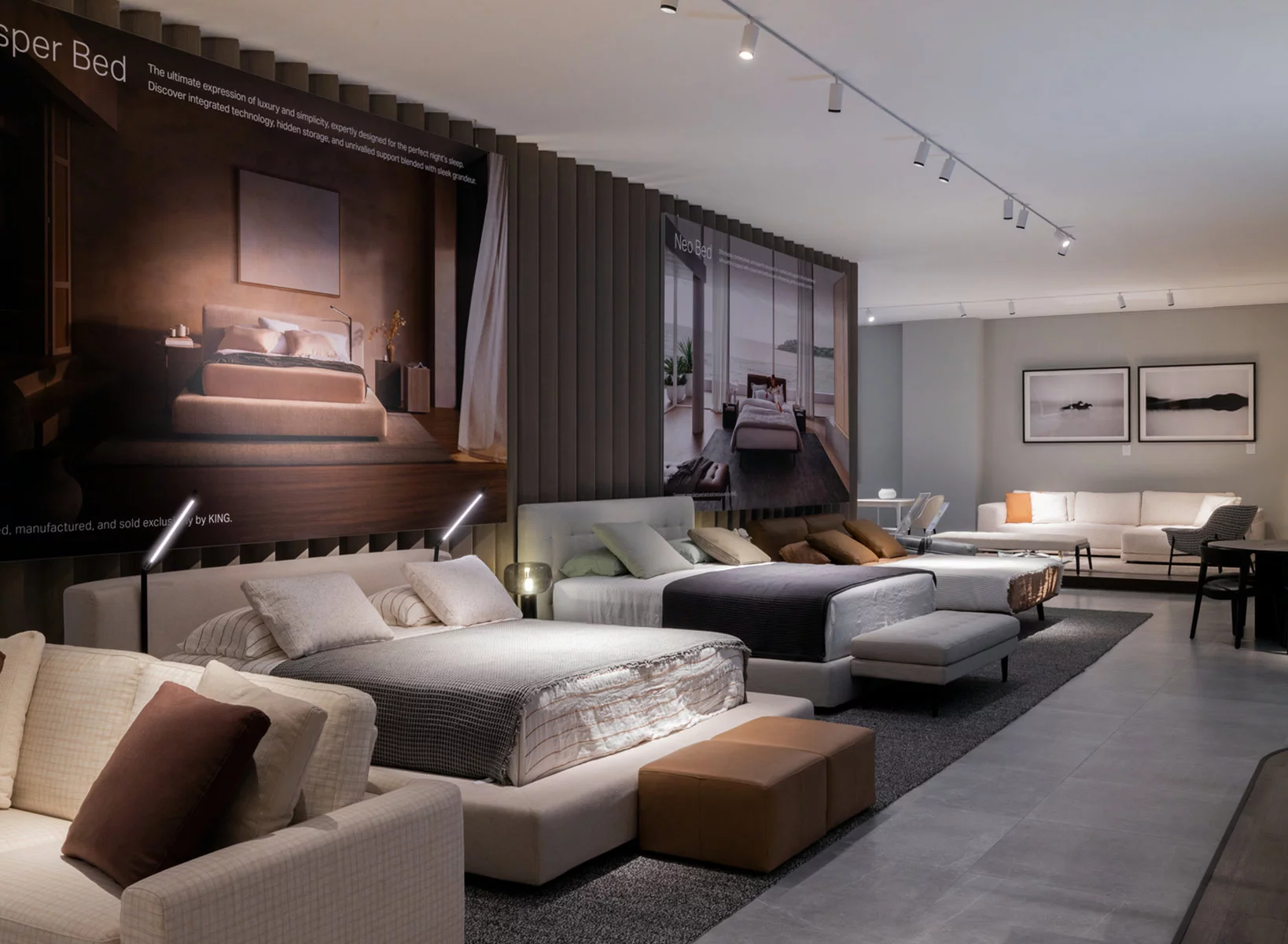
There is no single best way to replace old furniture, only the way that suits your home, your budget and your patience. If Furniture Exchange sounds like it might fit, start by checking the Furniture Exchange page at tfp.mu to confirm the campaign is active and the terms are current, then visit a TFP showroom to see sofas, beds, wardrobes and dining sets in person. To see what an exchange looks like once it is finished, read Before and After: How TFP's Furniture Exchange Transformed Mauritian Homes.
New vs. Traded: Is Furniture Exchange Right for You?
A practical guide to choosing between buying new, trading in, selling privately or keeping what you have
Replacing a sofa, bed or wardrobe is rarely just about the new piece. It is also about the old one: where it goes, who carries it out, and whether you can get anything for it. Many people delay upgrading for exactly that reason.
TFP's Furniture Exchange is one way to solve that problem, but it is not the right answer for everyone. This guide compares four routes: buying new outright, using Furniture Exchange, selling privately, and keeping or repairing what you already own. The aim is to help you choose what genuinely suits your home, your budget and your timing.
Furniture Exchange in one minute
You submit your old furniture for assessment. If it is approved, an exchange value is applied toward new TFP furniture. It is not paid as cash: you pay the difference between the new item's price and the approved value. Furniture Exchange is a promotional campaign, so confirm it is active and check the current terms on the Furniture Exchange page at tfp.mu before you plan around it. For the full process, read Trade In, Upgrade Up: How TFP's Furniture Exchange Works.
Your Four Options, Side by Side
Buying new outright
This is the simplest route to the new piece. You get full choice, there is no assessment step, and you do not depend on any campaign being active. You also keep the old furniture if you want it, for a spare room or for a family member. The catch is that the old piece is still yours to deal with, and large sofas, beds and wardrobes are not easy to move alone.
Using Furniture Exchange
You send photographs and details of your old furniture, receive an initial estimate, choose your replacement, and have the value confirmed after a physical inspection. The old furniture does not need to be from TFP. Pieces from other retailers, imported or locally made, can qualify, depending on their condition. Old furniture is collected by Driver, TFP's logistics partner, and TFP delivers the new piece, with the two coordinated wherever possible. Same-day service is not guaranteed, so confirm your own schedule. Free collection of old furniture. Terms and conditions apply.
Selling privately
Selling through Facebook, Marketplace or word of mouth can sometimes bring a higher price. It also means taking photographs, writing listings, answering enquiries, negotiating, dealing with no-shows and arranging transport. It works best when you are not in a hurry.
Keeping or repairing
If the frame is sound and the problem is mostly cosmetic, refreshing what you have may be enough. And if your furniture is in good shape and you would simply like it to go to someone who needs it, passing it to family or friends, or donating it, is a perfectly good choice too.
What the Numbers Actually Look Like
Furniture Exchange values depend mainly on condition, then on age, size, furniture type, original quality and reuse potential. An older piece in good condition can be assessed better than a newer piece in poor condition. Recent campaign communications used these maximums:
| Category | Recent campaign maximum |
|---|---|
| Sofa | Up to Rs 5,000 |
| Wardrobe | Up to Rs 3,000 |
| Bed | Up to Rs 2,500 |
| Mattress | Up to Rs 1,500 |
| Other furniture | Up to Rs 1,500 |
Recent campaign maximums, subject to change. Confirm current values with TFP. “Up to” is the highest possible value for a qualifying item, not what every item receives. Your initial estimate is based on photographs, and the final value is confirmed at physical inspection. For worked examples, see the first article in this series.
Here is how the three main routes compare:
| Furniture Exchange | Private sale | Buying new outright | |
|---|---|---|---|
| What you receive for the old piece | Value toward new TFP furniture, not cash | Possibly a higher price, paid by the buyer, but not guaranteed | Nothing, unless you sell it separately |
| Effort | Submit photos, then physical inspection | Photos, listings, enquiries, negotiation | Lowest effort to buy, but the old piece is still yours |
| Removing the old furniture | Free collection by TFP, terms and conditions apply | You arrange it with the buyer | Your responsibility |
| Certainty | Estimate first, final value confirmed at inspection | Depends on finding a buyer | No assessment step |
| Depends on a campaign? | Yes, confirm it is active | No | No |
Selling privately may achieve a higher price in some cases. TFP Furniture Exchange prioritises convenience, certainty, and coordination — making it particularly valuable for customers whose primary need is a simple, managed transition from old furniture to new.
The hidden costs of a private sale are mostly non-financial: your time, buyers who do not turn up, rounds of negotiation, transport, and what to do with the piece if it does not sell. Whether that is worth a possibly higher price depends on how much you value your time. There is no right answer, only the one that fits you.
See How It Works
A short walkthrough of the exchange process, from submitting your old furniture to seeing the replacement in place.
Is Furniture Exchange Right for You? Six Questions to Ask
- What condition is the old item in? Scratches, faded upholstery, sagging cushions and minor stains can still be assessed. Heavy mould, pests, severe water damage or unsafe structural failure are likely reasons for rejection.
- How urgent is the change? If you need the new piece soon, remember that assessment timing varies. Confirm current dates and timing at tfp.mu.
- Do you value convenience or maximum value? Exchange favours convenience. A private sale may favour price.
- Can the item be accessed and moved out easily? Upper floors, no lift, narrow staircases and long carry distances should be mentioned in advance.
- Is the campaign active? Because it is promotional, always check current terms first.
- What is your budget, and how big is the replacement? Measure your room, and the route the furniture will take to reach it, before you choose.
Who it suits
Furniture Exchange tends to work well for people who are moving house, renovating or downsizing, and for anyone replacing a sofa, bed or wardrobe. It is also a good fit if you have a large item that is hard to move alone and want collection handled for you.
Who it probably does not suit
If you need cash, the exchange is not for you, because the value is applied to a new TFP purchase. If you own a high-value or antique piece, a specialist buyer or private sale is likely to serve you better. And if your furniture has heavy mould, pests, severe water damage or unsafe structural failure, it is unlikely to be accepted.
Common hesitations
“My furniture isn't good enough.” It may be better than you think. Furniture does not have to be perfect to be assessed, and it does not need to have been bought from TFP. Photograph it honestly and let the assessment decide.
“The value is too low.” That can be true, especially compared with a good private sale. Weigh the value together with free collection, coordination and the time you save.
“I'd rather sell it myself.” That is a valid choice, particularly if you are not in a rush and enjoy the process.
Local considerations in Mauritius
Small apartments and tight access make large items hard to move, which is one reason collection matters. Many households also upgrade ahead of Christmas, Eid, Diwali and the year-end period, when gatherings are on the calendar. Passing furniture on to family is common and worth respecting, and it may be the best home for a well-kept piece. Warm, humid conditions can also affect some materials: PU leather, for example, can deteriorate more quickly in Mauritius's climate, which is why some older PU leather sofas show surface peeling.
Closing Thoughts: Choosing What Fits
Choose Furniture Exchange if you want a managed swap, with collection and delivery coordinated, and you prefer certainty to chasing the highest price.
Sell privately if maximum value matters most and you have the time and patience for buyers.
Keep or repair if the piece is sound and the problem is mostly cosmetic.
Buy new outright if you want full choice with no assessment step, or the campaign is not active when you are ready.
Important: do not dismantle, sell, or discard your old furniture before your exchange has been formally approved and collection has been officially scheduled.
If you plan to finance the purchase, CIM Finance and Rogers Capital options can typically be applied to the balance remaining after the exchange value. Subject to approval and current terms. Whether exchange can be combined with other promotions, clearance items or bundles depends on current campaign terms, so confirm with TFP.
Frequently Asked Questions
Is furniture trade-in worth it?
It depends on what you need. If you want convenience, coordinated collection and a simpler upgrade, it can be. If you want the highest possible price, selling privately may do better. The exchange value is applied toward new TFP furniture, not paid as cash.
Should I sell my furniture privately instead?
You can, and it may bring a higher price. It also takes time, effort and patience, and the outcome is less predictable. Choose the route that fits your priorities.
Does the exchange value equal a discount?
In practice it reduces what you pay, because you settle only the difference between the new price and the approved value. It is not cash, and “up to” figures are maximums rather than guarantees. Whether it can be combined with other promotions depends on current terms.
Can I trade in and still use financing?
Financing can typically be applied to the remaining balance after the exchange value, subject to approval and current terms.
Can I trade in furniture from another retailer?
Yes. Old furniture does not need to have been bought from TFP, and imported or locally made pieces can qualify, depending on condition. Confirm cross-category exchanges with TFP.
There is no single best way to replace old furniture, only the way that suits your home, your budget and your patience. If Furniture Exchange sounds like it might fit, start by checking the Furniture Exchange page at tfp.mu to confirm the campaign is active and the terms are current, then visit a TFP showroom to see sofas, beds, wardrobes and dining sets in person. To see what an exchange looks like once it is finished, read Before and After: How TFP's Furniture Exchange Transformed Mauritian Homes.