How to Furnish a New Home Without Overbuying
A practical, room-by-room guide for Mauritian homeowners who want a home that works — not just a home that looks full.
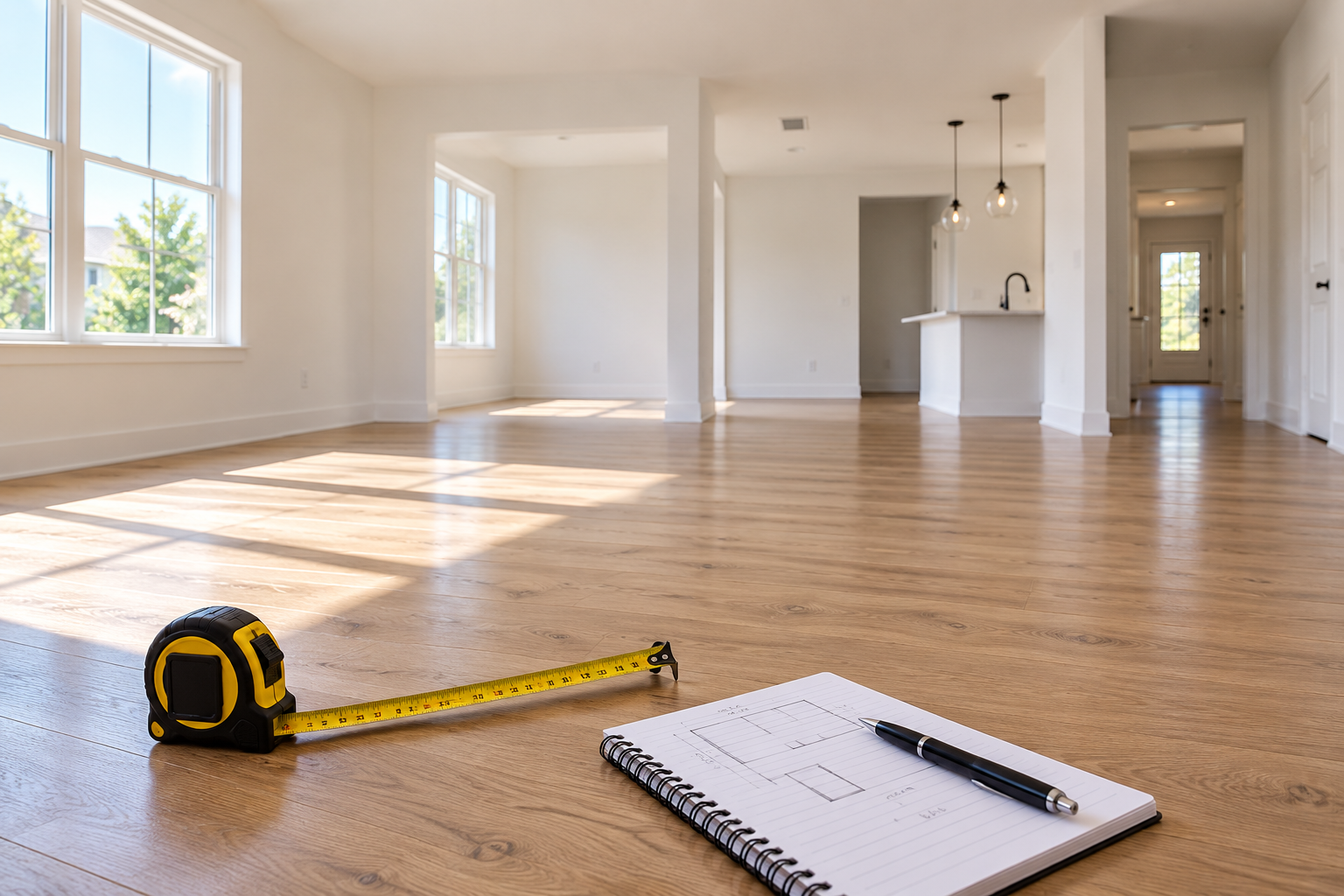
The best furniture decisions start with a measuring tape, not a shopping list.
Moving into a new home is exciting — and it's also the moment when most people buy too much furniture. Whether you're a newly married couple, a young professional in your first apartment or a family moving into a new house, the urge to make every room look "finished" on day one is strong.
The most common mistake we see at TFP is buying everything at once before living in the space. The dining table turns out too large, the sofa blocks the natural walking path, or the room set up as an office works better as a bedroom.
This guide shows you how to plan first, buy the essentials, and add the rest once you truly understand your home.
What "Overbuying" Actually Means
Overbuying isn't only about spending too much. It means:
- Buying more furniture than the space can comfortably hold
- Buying furniture before you know how the room will actually be used
- Buying pieces that do the same job as something you already have
- Buying accessories before the main furniture is right
- Buying because of a promotion rather than a real household need
Overbuying is different from overspending. Overbuying is about quantity and fit; overspending is about cost. You can overbuy affordable furniture just as easily as expensive furniture.
And the goal isn't minimalism. It's not about owning as little as possible — it's about owning what genuinely serves your household.
Before You Buy Anything: Measure, Photograph, Sketch
Every good furniture decision depends on accurate measurements. Without them, every choice is a guess. Before buying anything, measure:
- Room length, width and ceiling height
- Door positions and how far each door swings open
- Window positions
- Electrical socket positions
- Built-in storage positions
- The delivery route — doorways, corridors, staircases and lifts
Then photograph every room while it's empty and sketch a simple floor plan with rough measurements, doors and windows. Even a basic hand drawing helps you picture where furniture will go.
The Essentials First Rule
On day one, you only need the furniture that lets you sleep, sit, eat and store your clothes. Everything else can wait.
✔ Day-one essentials
- Bedroom: bed and mattress; basic clothing storage if there's no built-in wardrobe
- Living room: a sofa or basic seating
- Dining: table and chairs, if you have no kitchen counter for meals
- Kitchen: kitchen furniture, if not already fitted
⏳ Can wait
- Bedside tables
- TV unit and coffee table
- Sideboard
- Dressing table
- Bookshelves
- Rugs, cushions and artwork
- Home office desk (unless you work from home right away)
- Extra dining chairs beyond daily needs
This list is a framework, not a rule. A household with a baby needs a cot immediately; someone who works from home needs a desk immediately. Adapt it to your own situation.
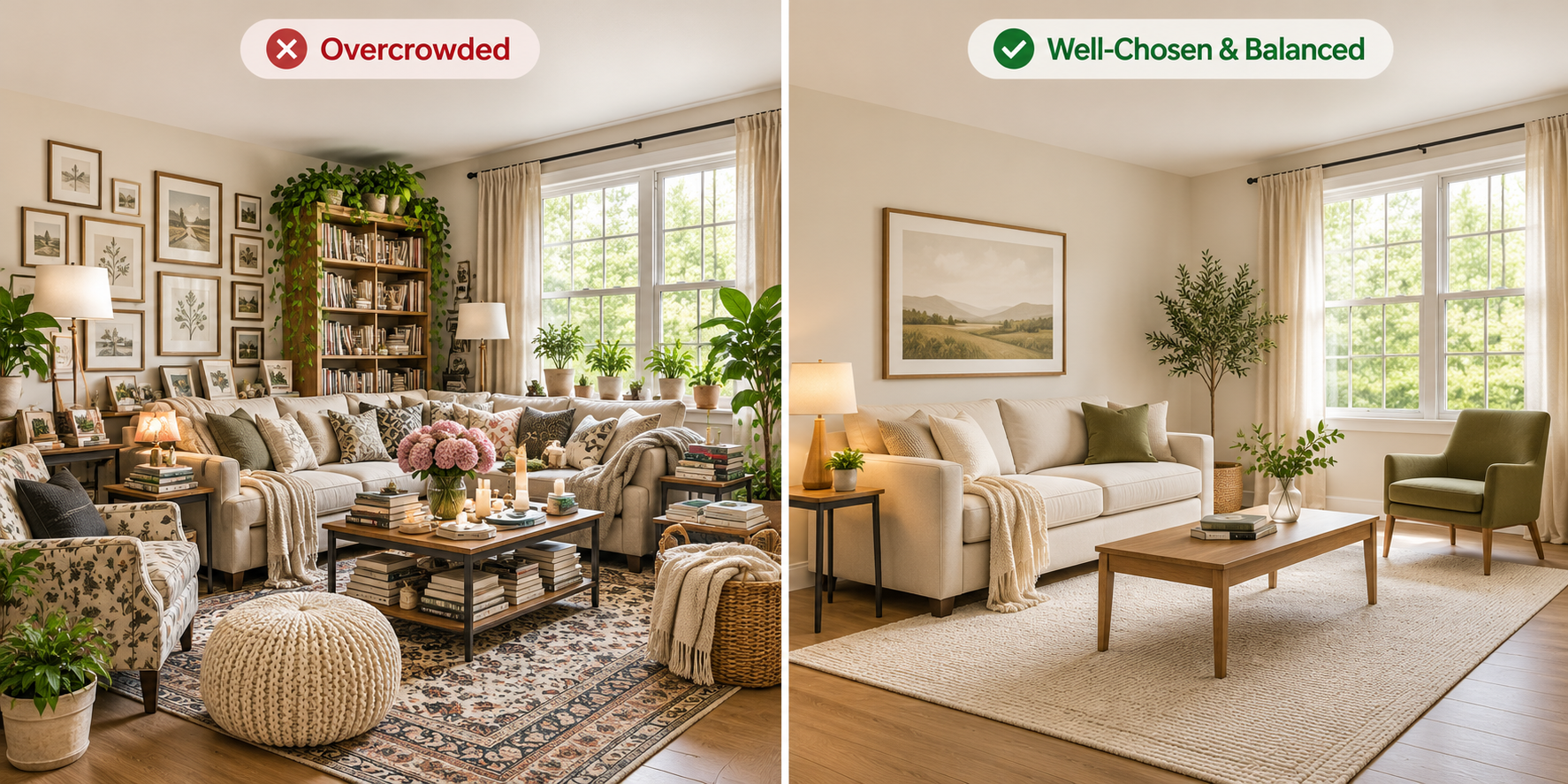
Same room, two approaches: more furniture doesn't mean a better home.
Room-by-Room Planning
Living Room
Common overbuying mistakes:
- A 3+2+1 sofa set that's too big for the room
- A coffee table that blocks walking space
- Too many occasional chairs
- A TV unit larger than needed
- Decorating before the furniture layout is settled
Bedroom
- A complete bedroom set in a room that can't fit every piece
- Choosing the largest bed without leaving room for the wardrobe doors
- Buying a dressing table before checking there's space for it
- Too many bedside accessories
Dining Room
- A fixed table sized for occasional gatherings rather than everyday meals
- More chairs than the household uses regularly
- A sideboard that overwhelms the dining area
Home Office
- A large L-shaped desk in a room that only fits a compact straight desk
- Several filing cabinets before knowing what you really need to store
- Setting up a full office before confirming the room will be used for work
Children's Rooms
- Buying complete furniture sets before measuring the room
- Buying only for the child's current age, with no room to grow
- Buying lots of toy storage before knowing how many toys need storing
The Sofa: Your Most Important Living Room Decision
The sofa is the largest piece in the living room — and the one where overbuying is most visible and hardest to undo. The most common mistake is buying a full 3+2+1 set when a single L-shaped sofa or a 3+2 would suit the room better.
- Choose the sofa first, then pick the coffee table, TV unit and accessories to match it.
- Mark the sofa's footprint on the floor with masking tape before you buy, to check it fits comfortably.
Not sure which shape to choose? Read 3-Seater or L-Shaped? How to Choose the Right Sofa Shape.
The Wardrobe: Your Most Important Bedroom Decision
The most common wardrobe mistake is choosing the widest model that fits the wall without allowing space for the doors to open — or buying a wardrobe much larger than you need.
- Think about your actual clothing: how much hanging space, how many shelves and how much shoe storage you need.
- In compact bedrooms, sliding wardrobes remove the need for door-opening space in front.
Compare your options in Sliding Door Wardrobe vs Hinged Door Wardrobe: Which Is Better?
The Dining Table: Function Before Size
The most common dining mistake is choosing a fixed table sized for your biggest gathering. The result is an oversized table that takes up floor space every single day.
An extendable dining table is ideal when your everyday household is smaller than your occasional gatherings — for example, a family of four that regularly hosts ten. And if you buy extra chairs for those gatherings, plan where they'll be stored the rest of the time, so they don't crowd the dining room.
Learn more in How Extendable Dining Tables Help You Save Space.
How to Furnish Your New Home Without Overbuying: 5 Rules to Follow
Your Phased Buying Plan
Instead of buying everything at once, spread your purchases over the first few months. Here's a simple framework:
Day one essentials
- Bed and mattress
- Basic seating
- Dining table and chairs
- Essential kitchen furniture
First month
- Wardrobe and bedroom storage
- Any study furniture you need straight away
After 1 to 3 months
- Coffee table and TV unit
- Additional bedroom furniture
- Once you understand how people move through each room
After 3 to 6 months
- Rugs, artwork and decorative items
- Additional lamps and accessories
When a specific need is confirmed
- Guest bedroom furniture
- Additional dining chairs
- Home office expansion
What to Add Later
These purchases are usually better made after you've lived in the space for a while:
- Rugs — the right size and colour become clear once furniture is in place
- Artwork and wall decoration — the best positions only show once the layout is settled
- Coffee table — the right size and height become obvious once the sofa is in
- Lamps and extra lighting
- Extra occasional chairs
- Sideboards and additional storage
- Dressing tables and bedside tables
- Decorative accessories and home office additions
What Makes People Overbuy?
These are the most common triggers we see:
- Promotions and sales. Buying something unplanned because it feels wasteful to miss the deal.
- Furnishing everything at once. Wanting the new home to look "complete" immediately.
- Copying a showroom display. Buying a full showroom layout without adjusting it to your room size.
- Planning for needs that never arrive. A full guest room for guests who visit once a year, or a formal dining set for dinners that rarely happen.
- Following general advice without measuring. Reading that "every home needs a sideboard" and buying one without checking the space.
Quality Over Quantity
Fewer, better pieces usually give better value than many cheaper ones. A well-made sofa that lasts ten years serves you better than two budget sofas over the same period — with less buying, delivery and disposal effort.
Your most important quality investment is the bed and mattress. Sleep affects your wellbeing every day, so a good mattress — such as one from TFP's Royal Lux range — pays back more consistently than almost any other purchase. For sizing help, see King Size vs Queen Size Bed: Which Should You Choose in Mauritius? and Single Bed vs Double Bed: How to Choose the Right Size for Your Room.
That said, expensive doesn't automatically mean better. Look at how a piece is built — solid wood versus laminate, frame construction and hardware quality — rather than using price as a shortcut. Our guide What Does Solid Wood Really Mean? explains what to look for.
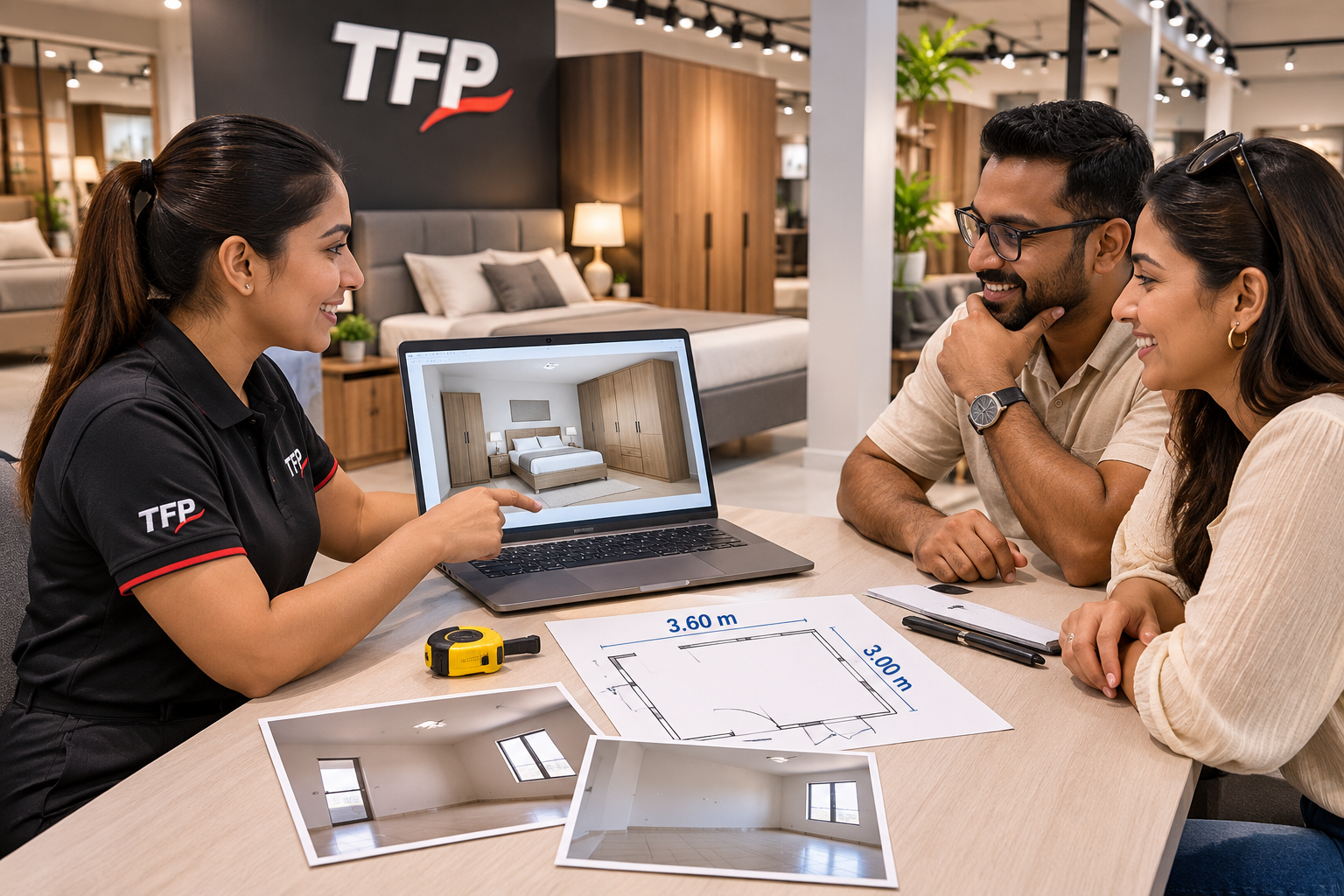
A prepared showroom visit: measurements, photos and a clear list of what you need.
Furnishing a New Home in Mauritius
Apartments Need Smaller Thinking
Compact Mauritian apartments need more careful planning than larger houses. The most common mistake is furnishing an apartment as if it were a house — full 3+2+1 sets, large fixed dining tables and oversized wardrobes — when smaller alternatives would work much better. Our guide Storage Solutions: Trade In Bulky Furniture for Space-Saving Pieces has more ideas.
Don't Rush for a Festive Deadline
Many Mauritians want the home furnished before Eid, Christmas or New Year gatherings. That time pressure often leads to rushed decisions. Your main furniture choices are too important to make because of a social deadline.
Everyday Family vs Extended Family
Balancing everyday household size with occasional large family gatherings is a very Mauritian challenge. An extendable dining table and a gradual approach to extra chairs solve this without filling the room permanently.
Think About the Climate
Mauritius's heat and humidity affect which materials last. Heavy velvet in rooms without air-conditioning, poorly sealed wood in humid spaces and metal furniture in coastal homes can all cause problems over time.
Plan Your Colours Before You Buy
Many new homeowners buy pieces that each look great on their own but don't work together. Choose a colour direction first.
For a first home, a neutral base — white, beige, grey or warm oak — is the safest starting point. You can then change accent colours over time through cushions, rugs and accessories, without replacing furniture. For more ideas, read How to Use Colour Psychology to Choose Furniture for Each Room and Does Your Living Room Furniture Have to Match? The Mauritian Home Guide.
Making the Most of Your TFP Showroom Visit
- Bring your measurements and photos of each room — our team can give much better advice from photos than from descriptions.
- Ask for help with planning. TFP staff can help you plan furniture based on your room sizes, lifestyle and style preferences.
- Visit twice for big pieces. Use the first visit to look at options, then measure at home and confirm the piece fits before buying.
For more tips, see How to Shop Smart at a Furniture Showroom and Avoid These Common Mistakes When Buying Furniture. If you're furnishing several rooms, Smart Savings: Furniture Bundles That Give You More for Less explains when bundles make sense.
Your Pre-Purchase Checklist
- Measure every room — length, width and ceiling height
- Photograph each room while it's empty
- Sketch a basic floor plan with doors and windows
- List only the essentials you need for day one
- Set a room-by-room budget
- Test furniture in-store — sit on sofas, open wardrobes, measure tables
- Mark planned furniture footprints with masking tape at home
- Confirm delivery access before buying large pieces
- Resist promotion-driven purchases for non-essential items
- Leave non-essential purchases until you've lived in the space
Closing Thoughts
A new home is not a deadline to furnish by — it's a space to understand before filling. The furniture that serves you best isn't always the most impressive on day one. It's the furniture that still suits the way you live three years later: the right sofa for the room, the right wardrobe for your clothes, the right dining table for the meals you actually have.
Measure first. Buy what you need now. Add what you want once you understand the space. And let TFP help you choose furniture that earns its place in your home rather than simply filling it.
Frequently Asked Questions
Planning
How do I start furnishing a new home?
Start by measuring every room, photographing it empty and sketching a simple floor plan. Then buy only the day-one essentials — bed, mattress, seating and dining — and add the rest gradually.
Should I measure rooms before buying furniture?
Yes, always. Measure room length, width, ceiling height, door and window positions, sockets and the delivery route. Without measurements, every furniture choice is a guess.
How long should I wait before buying furniture for a new home?
Buy essentials straight away, but wait a few weeks to a few months for non-essential pieces. Living in the space first shows you how each room is really used.
What furniture should I buy first when moving into a new home?
Buy a bed and mattress, basic seating, a dining table and chairs, and kitchen furniture if it isn't fitted. Add clothing storage if there's no built-in wardrobe.
Avoiding Overbuying
What is overbuying when it comes to furniture?
Overbuying means buying more furniture than your space or household needs. It includes buying before you know how a room will be used, buying duplicate pieces and buying because of a promotion.
How do I avoid buying too much furniture?
Measure first, buy only essentials on day one, set a room-by-room budget and add pieces gradually. Avoid buying non-essentials just because they're on sale.
Should I buy all my furniture at once when moving in?
No. Buying everything at once is the most common overbuying mistake. Buying in phases leads to better-sized, better-matched furniture.
Is it better to start with less furniture and add later?
Yes. It's easier to add furniture to a well-planned room than to remove it from an overcrowded one. Homes furnished gradually over 6 to 12 months usually work better.
Can promotions cause me to overbuy furniture?
Yes — promotions are the most common overbuying trigger. A sale is only a saving if the item belongs in your home.
Room Specific
What furniture is essential for a living room?
A sofa or basic seating is the only true essential. A coffee table, TV unit and rugs can wait until you know how the room is used.
What furniture is essential for a bedroom?
A bed and a good mattress, plus clothing storage if there's no built-in wardrobe. Bedside tables and dressing tables can come later.
Do I need a complete bedroom set?
Not necessarily. A full set can overcrowd a smaller bedroom. Measure first and only buy the pieces your room can comfortably fit.
Should I buy an extendable dining table for a new home?
Yes, if your everyday household is smaller than your occasional gatherings. It saves floor space daily while still seating extra guests when needed.
What furniture can wait until later?
Rugs, artwork, lamps, coffee tables, sideboards, extra chairs, dressing tables, bedside tables and home office additions can all wait until you've lived in the space.
Budget and Quality
Should I spend more on fewer, better pieces or more on many cheaper pieces?
Fewer, better pieces usually give better long-term value. Well-made furniture lasts longer and means less buying, delivery and disposal effort.
What is the most important furniture investment in a new home?
The bed and mattress. Sleep quality affects your wellbeing every day, so it's where quality pays back most consistently.
Is it better to buy furniture in phases?
Yes. Buying in phases — essentials first, then additions over the following months — helps you choose furniture that truly fits your home and lifestyle.
How do I set a furniture budget for a new home?
Set a budget for each room before you shop. This prevents spending too much on one room and running short for the others.
Mauritius Specific
What furniture suits a small Mauritian apartment?
Scaled-down pieces work best: a 3+2 or compact L-shaped sofa instead of a 3+2+1 set, an extendable dining table, and sliding wardrobes that need no door-opening space.
How do I choose furniture for a new home in Mauritius?
Measure carefully, plan for both everyday living and family gatherings, and choose materials suited to heat and humidity. Bring measurements and photos to a TFP showroom for advice.
Should I buy furniture before a festive gathering?
Only buy what you genuinely need. Rushing main furniture decisions before Eid, Christmas or New Year often leads to choices you later regret.
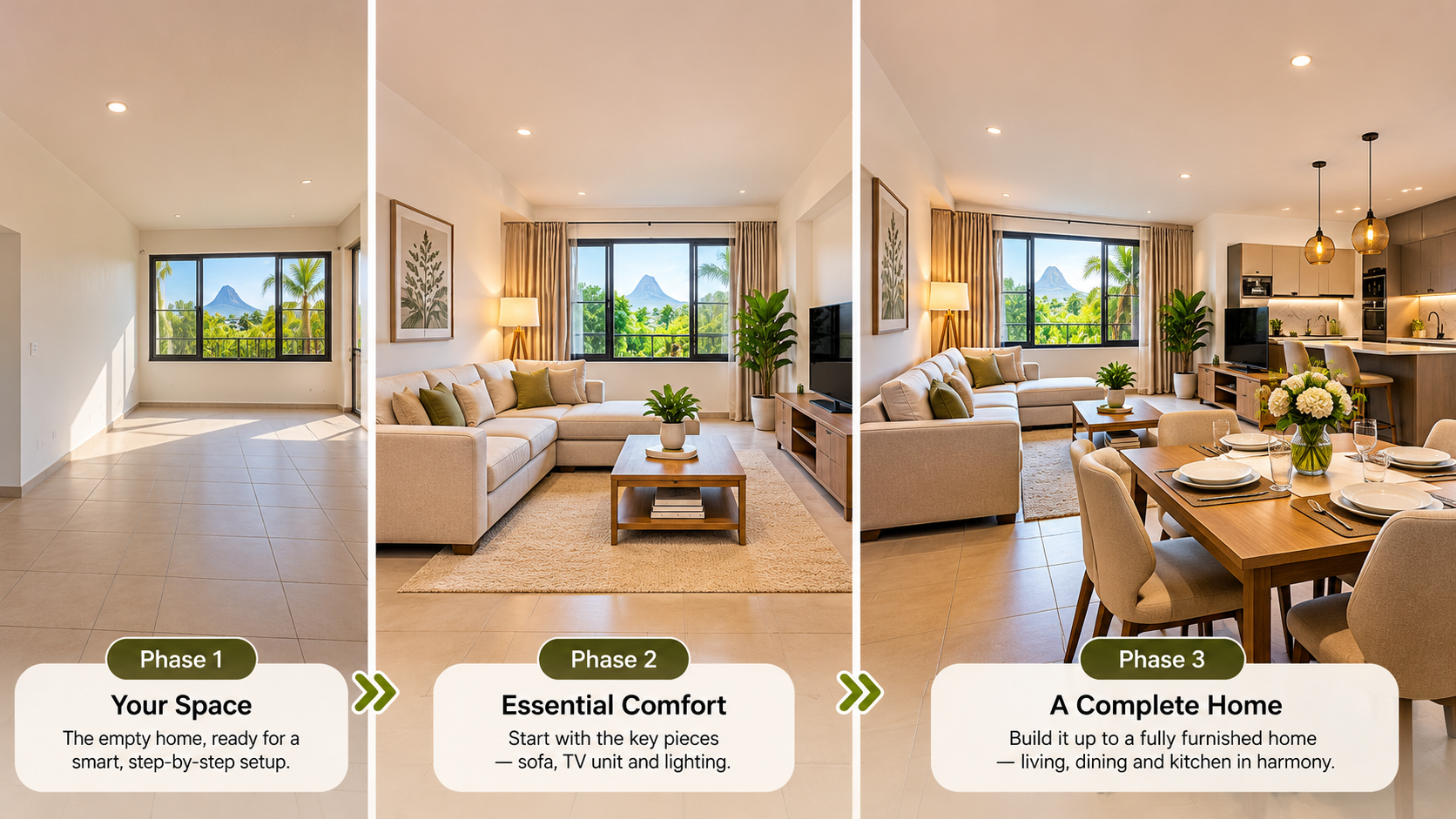
The result of planning first: a home where every piece earns its place.
How to Furnish a New Home Without Overbuying
A practical, room-by-room guide for Mauritian homeowners who want a home that works — not just a home that looks full.
The best furniture decisions start with a measuring tape, not a shopping list.
Moving into a new home is exciting — and it's also the moment when most people buy too much furniture. Whether you're a newly married couple, a young professional in your first apartment or a family moving into a new house, the urge to make every room look "finished" on day one is strong.
The most common mistake we see at TFP is buying everything at once before living in the space. The dining table turns out too large, the sofa blocks the natural walking path, or the room set up as an office works better as a bedroom.
This guide shows you how to plan first, buy the essentials, and add the rest once you truly understand your home.
What "Overbuying" Actually Means
Overbuying isn't only about spending too much. It means:
- Buying more furniture than the space can comfortably hold
- Buying furniture before you know how the room will actually be used
- Buying pieces that do the same job as something you already have
- Buying accessories before the main furniture is right
- Buying because of a promotion rather than a real household need
Overbuying is different from overspending. Overbuying is about quantity and fit; overspending is about cost. You can overbuy affordable furniture just as easily as expensive furniture.
And the goal isn't minimalism. It's not about owning as little as possible — it's about owning what genuinely serves your household.
Before You Buy Anything: Measure, Photograph, Sketch
Every good furniture decision depends on accurate measurements. Without them, every choice is a guess. Before buying anything, measure:
- Room length, width and ceiling height
- Door positions and how far each door swings open
- Window positions
- Electrical socket positions
- Built-in storage positions
- The delivery route — doorways, corridors, staircases and lifts
Then photograph every room while it's empty and sketch a simple floor plan with rough measurements, doors and windows. Even a basic hand drawing helps you picture where furniture will go.
The Essentials First Rule
On day one, you only need the furniture that lets you sleep, sit, eat and store your clothes. Everything else can wait.
✔ Day-one essentials
- Bedroom: bed and mattress; basic clothing storage if there's no built-in wardrobe
- Living room: a sofa or basic seating
- Dining: table and chairs, if you have no kitchen counter for meals
- Kitchen: kitchen furniture, if not already fitted
⏳ Can wait
- Bedside tables
- TV unit and coffee table
- Sideboard
- Dressing table
- Bookshelves
- Rugs, cushions and artwork
- Home office desk (unless you work from home right away)
- Extra dining chairs beyond daily needs
This list is a framework, not a rule. A household with a baby needs a cot immediately; someone who works from home needs a desk immediately. Adapt it to your own situation.
Same room, two approaches: more furniture doesn't mean a better home.
Room-by-Room Planning
Living Room
Common overbuying mistakes:
- A 3+2+1 sofa set that's too big for the room
- A coffee table that blocks walking space
- Too many occasional chairs
- A TV unit larger than needed
- Decorating before the furniture layout is settled
Bedroom
- A complete bedroom set in a room that can't fit every piece
- Choosing the largest bed without leaving room for the wardrobe doors
- Buying a dressing table before checking there's space for it
- Too many bedside accessories
Dining Room
- A fixed table sized for occasional gatherings rather than everyday meals
- More chairs than the household uses regularly
- A sideboard that overwhelms the dining area
Home Office
- A large L-shaped desk in a room that only fits a compact straight desk
- Several filing cabinets before knowing what you really need to store
- Setting up a full office before confirming the room will be used for work
Children's Rooms
- Buying complete furniture sets before measuring the room
- Buying only for the child's current age, with no room to grow
- Buying lots of toy storage before knowing how many toys need storing
The Sofa: Your Most Important Living Room Decision
The sofa is the largest piece in the living room — and the one where overbuying is most visible and hardest to undo. The most common mistake is buying a full 3+2+1 set when a single L-shaped sofa or a 3+2 would suit the room better.
- Choose the sofa first, then pick the coffee table, TV unit and accessories to match it.
- Mark the sofa's footprint on the floor with masking tape before you buy, to check it fits comfortably.
Not sure which shape to choose? Read 3-Seater or L-Shaped? How to Choose the Right Sofa Shape.
The Wardrobe: Your Most Important Bedroom Decision
The most common wardrobe mistake is choosing the widest model that fits the wall without allowing space for the doors to open — or buying a wardrobe much larger than you need.
- Think about your actual clothing: how much hanging space, how many shelves and how much shoe storage you need.
- In compact bedrooms, sliding wardrobes remove the need for door-opening space in front.
Compare your options in Sliding Door Wardrobe vs Hinged Door Wardrobe: Which Is Better?
The Dining Table: Function Before Size
The most common dining mistake is choosing a fixed table sized for your biggest gathering. The result is an oversized table that takes up floor space every single day.
An extendable dining table is ideal when your everyday household is smaller than your occasional gatherings — for example, a family of four that regularly hosts ten. And if you buy extra chairs for those gatherings, plan where they'll be stored the rest of the time, so they don't crowd the dining room.
Learn more in How Extendable Dining Tables Help You Save Space.
How to Furnish Your New Home Without Overbuying: 5 Rules to Follow
Your Phased Buying Plan
Instead of buying everything at once, spread your purchases over the first few months. Here's a simple framework:
Day one essentials
- Bed and mattress
- Basic seating
- Dining table and chairs
- Essential kitchen furniture
First month
- Wardrobe and bedroom storage
- Any study furniture you need straight away
After 1 to 3 months
- Coffee table and TV unit
- Additional bedroom furniture
- Once you understand how people move through each room
After 3 to 6 months
- Rugs, artwork and decorative items
- Additional lamps and accessories
When a specific need is confirmed
- Guest bedroom furniture
- Additional dining chairs
- Home office expansion
What to Add Later
These purchases are usually better made after you've lived in the space for a while:
- Rugs — the right size and colour become clear once furniture is in place
- Artwork and wall decoration — the best positions only show once the layout is settled
- Coffee table — the right size and height become obvious once the sofa is in
- Lamps and extra lighting
- Extra occasional chairs
- Sideboards and additional storage
- Dressing tables and bedside tables
- Decorative accessories and home office additions
What Makes People Overbuy?
These are the most common triggers we see:
- Promotions and sales. Buying something unplanned because it feels wasteful to miss the deal.
- Furnishing everything at once. Wanting the new home to look "complete" immediately.
- Copying a showroom display. Buying a full showroom layout without adjusting it to your room size.
- Planning for needs that never arrive. A full guest room for guests who visit once a year, or a formal dining set for dinners that rarely happen.
- Following general advice without measuring. Reading that "every home needs a sideboard" and buying one without checking the space.
Quality Over Quantity
Fewer, better pieces usually give better value than many cheaper ones. A well-made sofa that lasts ten years serves you better than two budget sofas over the same period — with less buying, delivery and disposal effort.
Your most important quality investment is the bed and mattress. Sleep affects your wellbeing every day, so a good mattress — such as one from TFP's Royal Lux range — pays back more consistently than almost any other purchase. For sizing help, see King Size vs Queen Size Bed: Which Should You Choose in Mauritius? and Single Bed vs Double Bed: How to Choose the Right Size for Your Room.
That said, expensive doesn't automatically mean better. Look at how a piece is built — solid wood versus laminate, frame construction and hardware quality — rather than using price as a shortcut. Our guide What Does Solid Wood Really Mean? explains what to look for.
A prepared showroom visit: measurements, photos and a clear list of what you need.
Furnishing a New Home in Mauritius
Apartments Need Smaller Thinking
Compact Mauritian apartments need more careful planning than larger houses. The most common mistake is furnishing an apartment as if it were a house — full 3+2+1 sets, large fixed dining tables and oversized wardrobes — when smaller alternatives would work much better. Our guide Storage Solutions: Trade In Bulky Furniture for Space-Saving Pieces has more ideas.
Don't Rush for a Festive Deadline
Many Mauritians want the home furnished before Eid, Christmas or New Year gatherings. That time pressure often leads to rushed decisions. Your main furniture choices are too important to make because of a social deadline.
Everyday Family vs Extended Family
Balancing everyday household size with occasional large family gatherings is a very Mauritian challenge. An extendable dining table and a gradual approach to extra chairs solve this without filling the room permanently.
Think About the Climate
Mauritius's heat and humidity affect which materials last. Heavy velvet in rooms without air-conditioning, poorly sealed wood in humid spaces and metal furniture in coastal homes can all cause problems over time.
Plan Your Colours Before You Buy
Many new homeowners buy pieces that each look great on their own but don't work together. Choose a colour direction first.
For a first home, a neutral base — white, beige, grey or warm oak — is the safest starting point. You can then change accent colours over time through cushions, rugs and accessories, without replacing furniture. For more ideas, read How to Use Colour Psychology to Choose Furniture for Each Room and Does Your Living Room Furniture Have to Match? The Mauritian Home Guide.
Making the Most of Your TFP Showroom Visit
- Bring your measurements and photos of each room — our team can give much better advice from photos than from descriptions.
- Ask for help with planning. TFP staff can help you plan furniture based on your room sizes, lifestyle and style preferences.
- Visit twice for big pieces. Use the first visit to look at options, then measure at home and confirm the piece fits before buying.
For more tips, see How to Shop Smart at a Furniture Showroom and Avoid These Common Mistakes When Buying Furniture. If you're furnishing several rooms, Smart Savings: Furniture Bundles That Give You More for Less explains when bundles make sense.
Your Pre-Purchase Checklist
- Measure every room — length, width and ceiling height
- Photograph each room while it's empty
- Sketch a basic floor plan with doors and windows
- List only the essentials you need for day one
- Set a room-by-room budget
- Test furniture in-store — sit on sofas, open wardrobes, measure tables
- Mark planned furniture footprints with masking tape at home
- Confirm delivery access before buying large pieces
- Resist promotion-driven purchases for non-essential items
- Leave non-essential purchases until you've lived in the space
Closing Thoughts
A new home is not a deadline to furnish by — it's a space to understand before filling. The furniture that serves you best isn't always the most impressive on day one. It's the furniture that still suits the way you live three years later: the right sofa for the room, the right wardrobe for your clothes, the right dining table for the meals you actually have.
Measure first. Buy what you need now. Add what you want once you understand the space. And let TFP help you choose furniture that earns its place in your home rather than simply filling it.
Frequently Asked Questions
Planning
How do I start furnishing a new home?
Start by measuring every room, photographing it empty and sketching a simple floor plan. Then buy only the day-one essentials — bed, mattress, seating and dining — and add the rest gradually.
Should I measure rooms before buying furniture?
Yes, always. Measure room length, width, ceiling height, door and window positions, sockets and the delivery route. Without measurements, every furniture choice is a guess.
How long should I wait before buying furniture for a new home?
Buy essentials straight away, but wait a few weeks to a few months for non-essential pieces. Living in the space first shows you how each room is really used.
What furniture should I buy first when moving into a new home?
Buy a bed and mattress, basic seating, a dining table and chairs, and kitchen furniture if it isn't fitted. Add clothing storage if there's no built-in wardrobe.
Avoiding Overbuying
What is overbuying when it comes to furniture?
Overbuying means buying more furniture than your space or household needs. It includes buying before you know how a room will be used, buying duplicate pieces and buying because of a promotion.
How do I avoid buying too much furniture?
Measure first, buy only essentials on day one, set a room-by-room budget and add pieces gradually. Avoid buying non-essentials just because they're on sale.
Should I buy all my furniture at once when moving in?
No. Buying everything at once is the most common overbuying mistake. Buying in phases leads to better-sized, better-matched furniture.
Is it better to start with less furniture and add later?
Yes. It's easier to add furniture to a well-planned room than to remove it from an overcrowded one. Homes furnished gradually over 6 to 12 months usually work better.
Can promotions cause me to overbuy furniture?
Yes — promotions are the most common overbuying trigger. A sale is only a saving if the item belongs in your home.
Room Specific
What furniture is essential for a living room?
A sofa or basic seating is the only true essential. A coffee table, TV unit and rugs can wait until you know how the room is used.
What furniture is essential for a bedroom?
A bed and a good mattress, plus clothing storage if there's no built-in wardrobe. Bedside tables and dressing tables can come later.
Do I need a complete bedroom set?
Not necessarily. A full set can overcrowd a smaller bedroom. Measure first and only buy the pieces your room can comfortably fit.
Should I buy an extendable dining table for a new home?
Yes, if your everyday household is smaller than your occasional gatherings. It saves floor space daily while still seating extra guests when needed.
What furniture can wait until later?
Rugs, artwork, lamps, coffee tables, sideboards, extra chairs, dressing tables, bedside tables and home office additions can all wait until you've lived in the space.
Budget and Quality
Should I spend more on fewer, better pieces or more on many cheaper pieces?
Fewer, better pieces usually give better long-term value. Well-made furniture lasts longer and means less buying, delivery and disposal effort.
What is the most important furniture investment in a new home?
The bed and mattress. Sleep quality affects your wellbeing every day, so it's where quality pays back most consistently.
Is it better to buy furniture in phases?
Yes. Buying in phases — essentials first, then additions over the following months — helps you choose furniture that truly fits your home and lifestyle.
How do I set a furniture budget for a new home?
Set a budget for each room before you shop. This prevents spending too much on one room and running short for the others.
Mauritius Specific
What furniture suits a small Mauritian apartment?
Scaled-down pieces work best: a 3+2 or compact L-shaped sofa instead of a 3+2+1 set, an extendable dining table, and sliding wardrobes that need no door-opening space.
How do I choose furniture for a new home in Mauritius?
Measure carefully, plan for both everyday living and family gatherings, and choose materials suited to heat and humidity. Bring measurements and photos to a TFP showroom for advice.
Should I buy furniture before a festive gathering?
Only buy what you genuinely need. Rushing main furniture decisions before Eid, Christmas or New Year often leads to choices you later regret.
The result of planning first: a home where every piece earns its place.